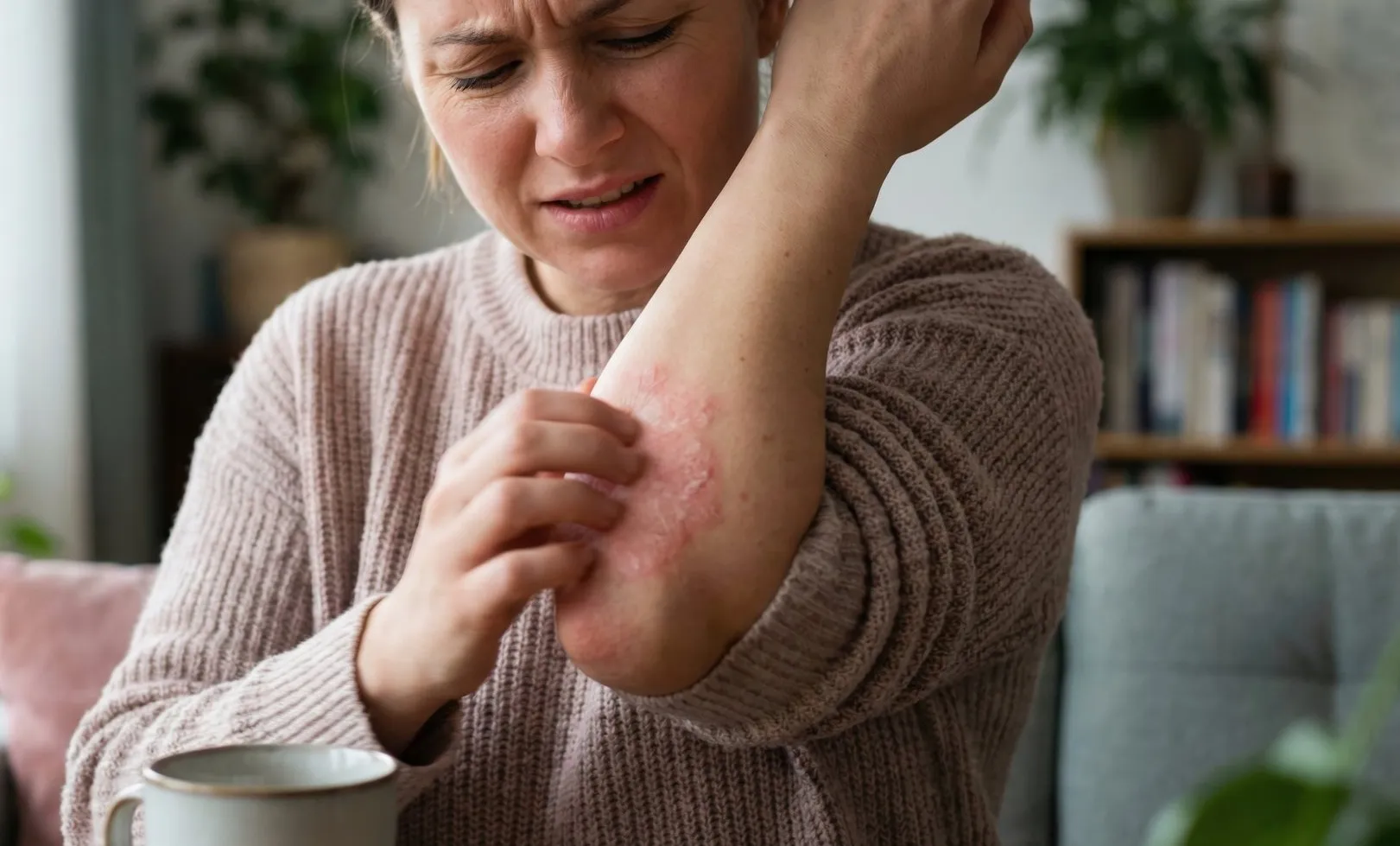
A red, itchy, painful, crusted, or swollen area of skin is often described simply as an infection. In reality, skin symptoms can result from bacteria, fungi, viruses, irritation, allergies, eczema, and several other conditions.
That distinction matters because Skin Infection Treatment should be based on the likely cause rather than the appearance of the rash alone.
For people in Kamakshipalya, Bengaluru, repeated episodes are a good reason to seek a dermatological assessment instead of continuously changing creams.
Similar Symptoms Can Have Different Causes
Several conditions can produce redness and itching.
A fungal rash may resemble eczema. Irritated skin can become secondarily infected. Some bacterial infections may produce tenderness, warmth, swelling, or discharge.
Without proper assessment, it is easy to choose a treatment that does not match the condition.
Signs That Need Timely Attention
Seek medical evaluation when a skin problem is rapidly worsening or accompanied by:
- Increasing pain
- Significant swelling
- Pus or discharge
- Spreading redness
- Fever
- Blisters
- Open wounds
- Persistent crusting
- Recurrent infection in the same area
People with certain underlying medical conditions may also require earlier assessment when skin infection is suspected.
Why Repeated Antibiotic Creams Are Not the Answer
Using antibiotic medication without confirming that bacteria are responsible is not a good long-term strategy.
Likewise, antifungal medication will not resolve a bacterial infection, while steroid-containing creams can sometimes alter symptoms without addressing an underlying infection.
Targeted Skin Infection Treatment starts by identifying the likely category of the condition.
Why Some Infections Keep Returning
Recurrence may occur because the original condition was incompletely treated or because an underlying factor remains.
Repeated scratching, damaged skin barriers, excessive moisture, contaminated personal items, close contact, and untreated conditions elsewhere on the body may contribute in certain cases.
A dermatologist may therefore ask about previous episodes, medication use, hygiene practices, occupational exposure, and other relevant factors.
Diagnosis Guides the Treatment Plan
Depending on the suspected cause, treatment might involve topical medication, oral medication, wound care, hygiene measures, or management of an underlying inflammatory skin condition.
Occasionally, laboratory testing may be useful when the diagnosis is uncertain or infection repeatedly returns.
Skin Astetics Clinic provides dermatology consultations for patients with persistent and recurring skin concerns. The purpose of assessment is not simply to prescribe another cream but to understand why the problem is occurring.
Protecting the Skin After Recovery
Once the active problem improves, maintaining the skin barrier can reduce unnecessary irritation.
Avoid sharing towels and personal grooming items when an infectious condition is suspected. Keep vulnerable skin clean and dry, manage cuts appropriately, and avoid scratching irritated areas.
Recurring rashes are not always infections, and recurring infections do not always have the same cause. Accurate diagnosis helps make treatment more focused and reduces the cycle of temporary relief followed by another flare.
Keywords