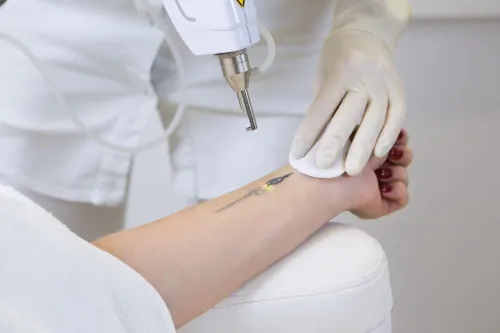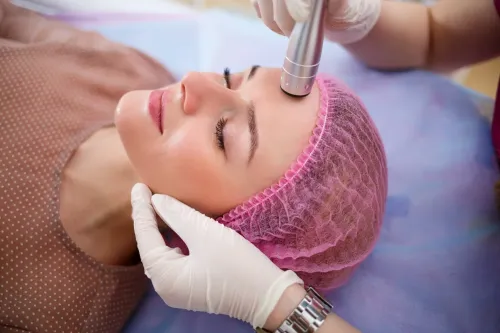
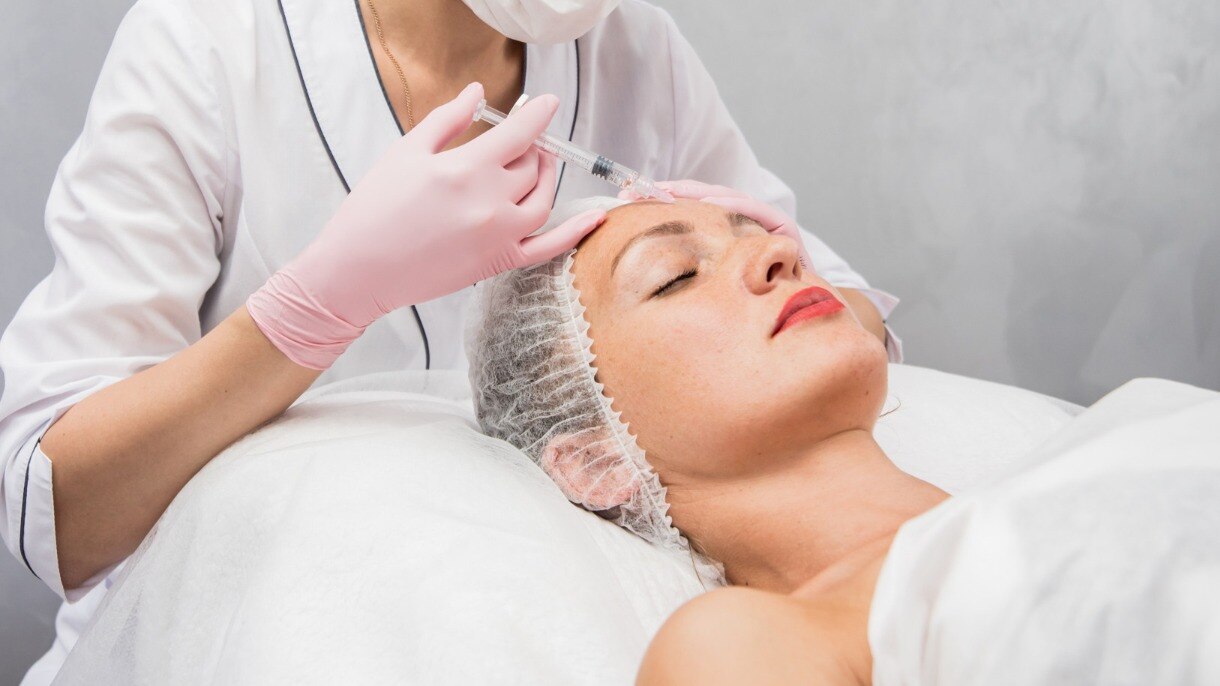
A cosmetic concern such as acne, uneven pigmentation, hair loss, redness or wrinkles can require anything from observation to prescription medicine or a procedure. By the end, you will know which treatment categories clinics commonly offer, what an initial assessment involves, and how to compare options by downtime, risk, cost in effort and expected results.
Key takeaways
- Bring your medical history, current medicines and treatment goals to the first consultation.
- Ask whether prescription medicines, procedures or a combination best fits your concern.
- Confirm expected results, number of sessions, downtime, maintenance and risks before treatment.
- Check the dermatologist’s credentials, treatment plan, device details and follow-up process.
Which skin, hair and nail concerns can a cosmetic dermatology clinic treat?
Acne treatment may combine topical medicines, oral antibiotics, hormonal treatment or isotretinoin, depending on severity and medical history. Acne scars, enlarged pores, dullness, fine wrinkles and uneven texture may respond to prescription creams, microneedling, chemical peels or resurfacing, with results developing over several sessions.
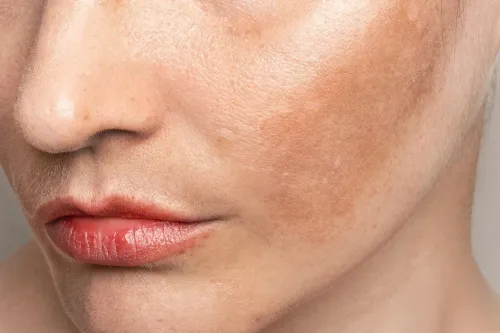
Melasma and other pigmentation concerns usually need daily sun protection and prescription agents such as hydroquinone, retinoids or combination creams before procedures. Peels and lasers can worsen pigment if the diagnosis, inflammation or skin type is overlooked. Rosacea and vascular redness need diagnosis before vascular lasers or other treatment, especially in darker skin.
| Concern | Common options | Important limitation |
|---|---|---|
| Wrinkles and laxity | Botulinum toxin, resurfacing, energy-based tightening, injectables | Each targets different causes; results and maintenance vary |
| Unwanted hair | Laser hair reduction | Requires growth-cycle-based sessions and is less effective on light hair |
| Acne scars and texture | Microneedling, peels, fractional resurfacing | Active acne, infection or keloid tendency raises risk |
| Spider veins | Sclerotherapy for selected veins | Multiple sessions may be needed; bruising, pigmentation and ulceration can occur |
A clinic also assesses scars, changing or bothersome moles, warts, cysts, nail concerns and scalp disorders. Infection, eczema, alopecia, inflammatory nail disease or a suspicious lesion can look cosmetic but needs medical care first.
Minor procedures include cryotherapy, cyst treatment, shave or punch biopsy, and removal of selected benign lesions. A changing, bleeding, asymmetric or uncertain mole should be examined and biopsied when indicated, not removed as a cosmetic blemish.
What happens during the first consultation?
An initial consultation establishes whether treatment fits by combining your medical history with a focused examination. The medication review includes prescriptions, over-the-counter products and supplements, while pregnancy screening covers pregnancy or breastfeeding because these facts can change which medicines and procedures are safe.
Tell the dermatologist about:
- Previous procedures, allergies, isotretinoin use, blood thinners, cold sores, keloid scarring and any history of abnormal scarring.
- Recent tanning, sunburn, waxing, chemical peels, lasers, injectables and other procedures.
- Active infection, open wounds, dermatitis, skin sensitivity, sun exposure and your usual skin type.
The clinician examines the affected skin, hair, nails or scalp and may take standardized photographs to track change. A changing, bleeding or asymmetric lesion, or one whose diagnosis is uncertain, needs dermoscopy or a shave or punch biopsy instead of cosmetic removal.
Acne, eczema, infection, melasma, alopecia and possible skin cancer place the visit within medical dermatology. Postpone elective treatment for open wounds, active dermatitis, uncontrolled infection, sunburn or skin that cannot follow aftercare instructions. Pregnancy can alter acne and hair-loss treatment choices, including medicines that are unsuitable during pregnancy.
The consultation should finish with a diagnosis or working diagnosis, treatment alternatives, expected timeline, aftercare instructions and a date or method for reviewing results.
How do dermatologists choose between medicines and procedures?
The least invasive option is not automatically the best; diagnosis, skin type, medical history, target depth, risk and willingness to maintain treatment determine the choice. Topical medicines suit surface inflammation, acne, pigmentation and texture, but require consistent use and can irritate skin.
Prescription treatment may suit moderate-to-severe acne, pattern hair loss or melasma when the diagnosis and medical history support it.
| Option | Best fit | Main trade-off |
|---|---|---|
| Topical medicines | Surface acne, inflammation, pigmentation and texture | Gradual results; irritation and daily adherence |
| Prescription treatment | Moderate-to-severe acne, melasma or pattern hair loss | Requires medical screening, monitoring and continued use |
| Chemical peels | Dullness, pigmentation and superficial texture | Superficial peels mean shorter downtime and modest change; medium or deep peels cause more discomfort, injury, pigment change and scarring risk |
| Lasers and light | Vascular redness, hair, pigment, scars or resurfacing | Wavelength, target and depth matter; darker skin needs careful settings, cooling and test spots |
| Microneedling | Acne scars, uneven texture and some wrinkles | Controlled punctures produce gradual collagen remodeling; several sessions are common |
| Botulinum toxin or fillers | Expression lines, volume and contour | Temporary effect; fillers do not replace a facelift |
| Surgery or biopsy | Selected lesions or structural problems | Greater recovery and procedural risk |
| Observation | Harmless, stable lesions | Safest when treatment risk exceeds cosmetic benefit |
A dermatologist may choose observation instead of removing a stable mole, or biopsy an uncertain one. The plan should state expected discomfort, downtime, session count, maintenance, aftercare and the review date. Procedures can worsen melasma or active inflammation, so controlling the condition first is often safer.
What results, maintenance needs and risks come with common procedures?
Botulinum toxin usually softens frown lines, forehead lines and crow’s-feet for about three to four months. Repeat treatment is needed as muscle activity returns; it does not replace treatment for skin laxity or etched-in lines.
- Hyaluronic-acid dermal fillers can restore lip, cheek or chin volume. Severe pain, blanching, mottling or visual symptoms after injection can signal blood-vessel blockage, tissue necrosis, visual loss or stroke; seek urgent assessment. Hyaluronidase dissolves many, but not every, hyaluronic-acid complication.
- Laser hair reduction requires several sessions because it targets hairs in the active growth phase. It provides long-term reduction, not guaranteed permanent removal, and works poorly on blond, gray, white or red hair; regrowth can require maintenance sessions.
- Microneedling produces gradual collagen remodeling, so acne scars, uneven texture and fine wrinkles commonly need multiple sessions. Active acne, infection or a keloid tendency raises the risks of inflammation, infection, scarring and pigment change.
- Peels and lasers can cause burns, prolonged redness, post-inflammatory hyperpigmentation or hypopigmentation. Darker skin types need careful wavelength, energy, cooling and test-spot selection because pigment risk is higher.
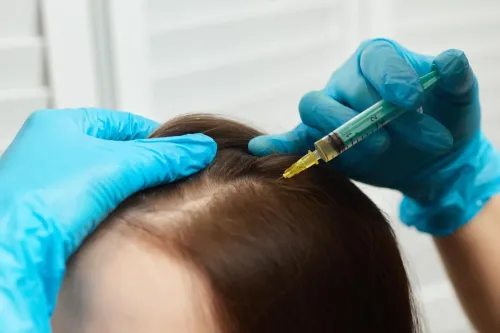
- Acne medicines, melasma regimens and hair-loss treatments depend on adherence and medical monitoring. PRP protocols are less standardized, so compare the preparation, injection schedule and evidence.
- Sclerotherapy may need several sessions. Bruising, pigmentation, matting and ulceration are recognised risks.
Ask for the expected result, downtime, maintenance schedule and warning signs before consenting.
What should you confirm before choosing a cosmetic dermatology clinic?
Before paying a deposit, identify who will examine you, make the diagnosis and perform the procedure. Dermatologist-led care matters when acne, melasma, rosacea, infection or a changing lesion could be mistaken for an aesthetic problem.
- Confirm the exact medicine, injectable product, laser or light device, needle depth, peel strength and treatment area. Ask for the expected number of sessions, downtime, discomfort, maintenance schedule and realistic result timeline.
- Ask about alternatives, including observation and prescription care. A procedure is not automatically better than treating inflammation or pigment first.
- Ask how wavelength, energy, cooling and test spots are adjusted for your skin tone. Confirm what happens after recent tanning, sunburn, irritation or another procedure, and whether combination treatments increase treatment risks such as burns or post-inflammatory hyperpigmentation.
- Request written aftercare, sun-protection instructions and an emergency contact. Ask who manages infection, asymmetry, allergic reactions, vascular injury and unexpected pigment change.
- Confirm the diagnosis, contraindications, consent process and complication plan before signing.
| Check | Proceed when | Delay when |
|---|---|---|
| Diagnosis | The clinician explains the condition and options | The clinic treats an uncertain or changing lesion cosmetically |
| Results | Sessions, maintenance and assessment dates are specific | Staff promise permanent results |
| Safety | Product, device and aftercare are documented | Staff dismiss your medical history |
A dermatologist-led service such as SKIN ASTETICS CLINIC can help coordinate diagnosis, treatment and follow-up when medical and cosmetic concerns overlap. Do not proceed if the clinic cannot explain why its choice fits your skin and goal.
Related services
Dermatosurgery Dermatosurgery at Skin Astetics Clinic Expert Care for Skin, Nails & Minor Aesthetic Corrections At Skin Astetics Clinic, we offer a wide range of safe, minimally... |
Chemical Peel Treatments at Skin Astetics Clinic Renew your skin and reveal a fresh, glowing complexion with professional Chemical Peel treatments at Skin Astetics... View service → |
Frequently asked questions
Which concerns can a cosmetic dermatology clinic treat?
Dermatologists treat acne, acne scars, pigmentation, enlarged pores, dullness, wrinkles, uneven texture, hair loss, unwanted hair and selected nail concerns.
What happens during the first cosmetic dermatology consultation?
The dermatologist examines the concern, reviews your medical history and medicines, discusses goals, identifies contraindications and recommends a treatment plan.
How do dermatologists choose between medicines and procedures?
They consider the diagnosis, severity, skin type, medical history, previous treatment response, expected benefit, downtime and risk before recommending medicines, procedures or both.
What should you ask about cosmetic dermatology procedures?
Ask about expected results, treatment sessions, recovery time, side effects, maintenance, alternatives, practitioner qualifications and the device or product being used.
Related services
Melasma Treatment Effective Solutions for Pigmentation and Uneven Skin Tone Melasma is a common skin condition that causes brown or gray-brown patches on the face,... View service → |
Dark Circle Treatment Brighten and Rejuvenate Tired Eyes Dark circles under the eyes can make you look tired, stressed, or older than you feel. View service → |
Hair Loss Treatment Advanced Solutions for Hair Regrowth and Scalp Health Hair loss can be emotionally distressing and impact your self-confidence. View service → |
Laser Hair Reduction Laser Hair Reduction for Females & Males at Skin Astetics Clinic Experience smooth, hair-free skin with our advanced Laser Hair Reduction treatments... View service → |