Uneven facial pigmentation is not always melasma, and the wrong treatment can trigger more discoloration. You will learn how to recognise common patterns, build a light-protection routine, compare topical and procedural options, and choose safer next steps for long-term control.
Key takeaways
- Confirm melasma before treating persistent facial pigmentation.
- Use broad-spectrum SPF 50 sunscreen and reapply during outdoor exposure.
- Topical treatment choices depend on pigment depth, sensitivity, and medical history.
- Peels, lasers, and microneedling require careful selection and maintenance care.
Is the Pigmentation Really Melasma?
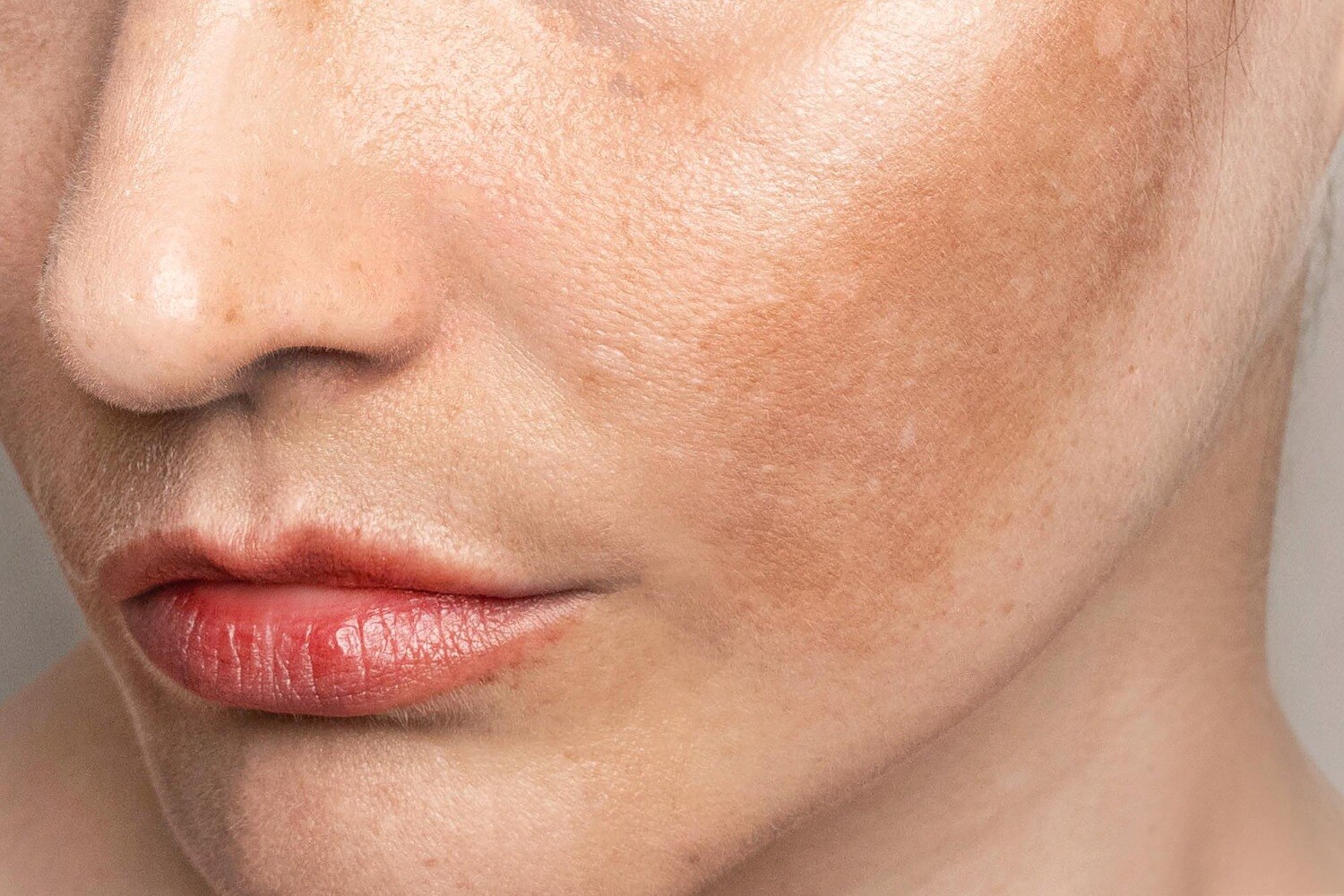
Melasma is more likely when flat brown or gray-brown patches appear symmetrically without scale, blisters, pain, or significant itch. Common melasma patterns include centrofacial melasma across the forehead, nose, upper lip, and chin; malar melasma over the cheeks; and a mandibular melasma distribution along the jawline. Pigment can also involve the temples.
Other causes have different clues:
- Post-inflammatory hyperpigmentation follows acne, eczema, burns, waxing, or another visible injury.
- Freckles are usually small, sharply defined spots that darken with sun exposure.
- Solar lentigines are persistent, discrete brown spots that develop over chronically sun-exposed skin.
- Drug-induced pigmentation may begin after a new medicine and can affect areas beyond the face.
- Lichen planus pigmentosus causes dusky gray-brown patches, often around the temples, forehead, or neck.
- Ochronosis can produce blue-black or slate-gray pigmentation after prolonged use of certain lightening products.
- Pigmented contact dermatitis may follow a cosmetic, fragrance, hair dye, or skincare product.
Seek medical evaluation for a rash that is scaly, intensely itchy, swollen, blistered, painful, rapidly spreading, bleeding, or affecting the eyes or mouth. One-sided or rapidly changing pigmentation also needs assessment. Dermoscopy can clarify an atypical pattern, and a biopsy may be needed when the diagnosis remains uncertain.
A Wood's lamp may suggest epidermal pigment, while dermal or mixed pigment often responds less completely. Neither test guarantees treatment success. Burning and peeling are irritation, not proof that treatment is working.
Which Triggers and Daily Habits Keep Melasma Active?
Ultraviolet light, visible light, heat, hormonal shifts, and skin irritation can keep melasma active after the colour fades. UVA protection matters because UVA penetrates deeply; visible-light protection matters particularly in darker skin tones. Heat from cooking near a stove, hot yoga, or a hot environment can also intensify pigmentation without causing sunburn.
| Trigger | How it affects melasma | Practical response |
|---|---|---|
| UVA and UVB | Stimulate pigment production and recurrence | Use a broad-spectrum SPF 30 sunscreen for melasma |
| Visible light | Can worsen melasma, especially in darker skin | Choose a tinted sunscreen with iron oxides |
| Heat | Increases facial warmth and may aggravate pigment | Seek shade, improve ventilation, and avoid deliberate tanning |
| Hormones | Pregnancy and oral contraceptives can stimulate pigment | Discuss alternatives with your prescribing clinician; do not stop medication alone |
| Irritating products | Inflammation can cause darker post-inflammatory marks | Stop burning, stinging, fragranced, or harsh products |
Build your daily protection routine around these steps:
- Apply broad-spectrum sunscreen every morning to the face, ears, neck, and exposed hairline. Confirm UVA protection on the label.
- Use tinted sunscreen with iron oxides for visible-light protection, then reapply every two hours outdoors or after sweating.
- Add a wide-brimmed hat, sunglasses, shade, and physical barriers; sunscreen alone cannot block all light.
- Cleanse gently and moisturise. Avoid scrubs, bleaching mixtures, and products that sting.
- Control heat exposure and ask your clinician about suspected photosensitising or hormonal medicines.
Which Topical Treatments Can Lighten Melasma Safely?
Hydroquinone for melasma remains a standard first-line option, but stronger is not safer. Compare the choices by expected benefit, irritation risk, and how long you can use them:
| Option | Main role | Safety limit |
|---|---|---|
| Hydroquinone | 2–5% tyrosinase inhibitor; often the most predictable lightener | Use only in a clinician-directed course; prolonged unsupervised use can cause dermatitis or rare blue-black exogenous ochronosis |
| Tretinoin | Speeds cell turnover and improves hydroquinone penetration | Peeling, burning, and worsening pigmentation can occur; avoid during pregnancy |
| Azelaic acid | Useful when hydroquinone is unsuitable and can calm acne-related inflammation | Start gradually; irritation can deepen pigmentation |
| Kojic acid cream | Non-hydroquinone lightener for maintenance or mild discoloration | Contact dermatitis is possible; stop if redness or burning persists |
| Cysteamine | Non-hydroquinone option with evidence for facial melasma | Odour and irritation require careful application and tolerability monitoring |
| Topical tranexamic acid | May improve melasma with less irritation for some users | Evidence and formulations vary; obtain medical advice, especially with clotting history or interacting medicines |
A prescription triple combination of hydroquinone, tretinoin, and a low-potency corticosteroid often works faster than hydroquinone alone. It is for limited courses, not indefinite use; steroid acne, visible blood vessels, skin thinning, and rebound pigmentation require supervision.
Do not self-treat during pregnancy with hydroquinone or tretinoin. Ask about pregnancy, breastfeeding, migraine-related risks, clotting history, and medicines before considering tranexamic acid; oral tranexamic acid is not a routine cosmetic supplement.
When Should You Consider Peels, Lasers, or Microneedling?
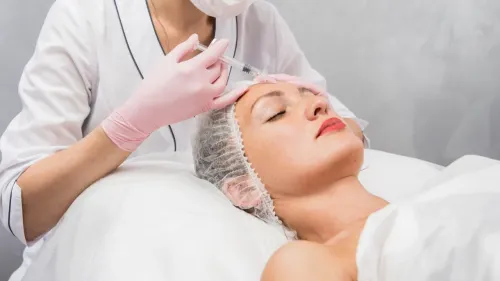
Consider procedures after consistent light protection and topical treatment have failed to control melasma, or when irritation prevents you from using those treatments. They add value by accelerating improvement, not by removing the need for maintenance.
At SKIN ASTETICS CLINIC, the useful decision depends on your diagnosis, skin tone, current irritation, and previous treatment—not on choosing the newest device.
| Option | Potential role | Main caution |
|---|---|---|
| Chemical peel for melasma | A carefully selected superficial peel can improve epidermal pigment | A deep or strong peel can cause burns, post-inflammatory hyperpigmentation, or lighter patches |
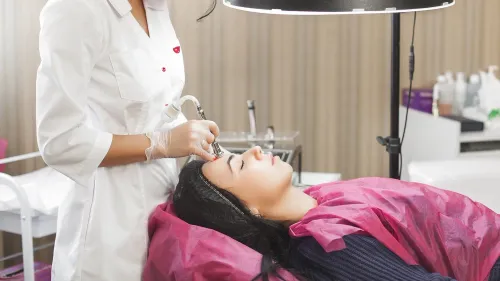
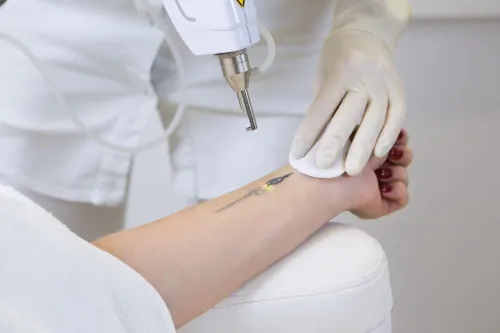
| Q-switched Nd:YAG laser | Low-fluence treatment may temporarily reduce pigment | Laser toning risks include rebound darkening, mottled hypopigmentation, and recurrence; repeated sessions are not risk-free maintenance |
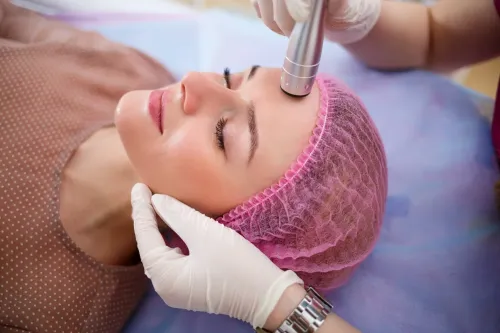
| Microneedling for pigmentation | Controlled channels may support pigment-directed treatment | Excessive pressure, depth, or poor aftercare can worsen inflammation and uneven colour |
Reduce complications by taking these steps:
- Treat sunburn, dermatitis, active acne, or peeling before a procedure; inflamed skin responds unpredictably.
- Ask for conservative settings, a test spot, and a clear plan for stopping treatment if the test spot darkens or lightens unevenly.
- Continue tinted sunscreen containing iron oxides after treatment, because ultraviolet and visible light can drive rebound pigmentation.
- Do not escalate to oral tranexamic acid as a cosmetic shortcut; a clinician must review clotting history, thromboembolic risk, migraine-related risks, and interacting medicines.
Related service
Melasma Treatment Effective Solutions for Pigmentation and Uneven Skin Tone Melasma is a common skin condition that causes brown or gray-brown patches on the face,... View service → |
How Do You Maintain Improvement Without Expecting a Permanent Cure?
Expect visible lightening over weeks to months, not days; deeper or mixed pigment often takes longer. Judge progress with photos under the same lighting, and do not escalate because a cream stings. Burning, peeling, or dermatitis signals irritation, not stronger treatment: inflammation can worsen melasma and add post-inflammatory pigmentation.
Chronic relapsing melasma needs melasma maintenance treatment after clearing. Continue broad-spectrum sunscreen, visible-light protection, and the regimen your clinician selects; stopping when skin looks clear invites melasma recurrence because ultraviolet and visible light, heat, and hormonal shifts remain triggers.
Repeated low-fluence laser toning is not risk-free maintenance: rebound darkening, mottled light patches, and relapse can follow.
Melasma treatment during pregnancy should usually narrow to sun and visible-light protection plus gentle, non-irritating skincare; avoid hydroquinone and topical retinoids unless your obstetric and dermatology clinicians give specific advice. Before prescribing, disclose pregnancy plans and all medicines.
- While breastfeeding, ask about each active before restarting treatment; do not assume a previously tolerated product is appropriate.
- If irritation appears, stop the suspected active, simplify cleansing and moisturising, and resume only after the skin settles.
- Choose clinician-guided maintenance rather than self-directed peels, laser sessions, or oral tranexamic acid; oral use requires clot-risk screening.
Frequently asked questions
How can you tell whether facial pigmentation is melasma?
Melasma usually causes flat, symmetrical brown or gray-brown patches without scale, blisters, pain, or significant itch. Common patterns affect the forehead, nose, upper lip, chin, cheeks, jawline, or temples.
Which daily habits and triggers can keep melasma active?
Sunlight, visible light, heat, hormonal changes, and skin irritation can worsen melasma. Use broad-spectrum sunscreen, limit direct heat and sun exposure, and avoid harsh products that cause burning or peeling.
Which topical treatments can lighten melasma safely?
A dermatologist may recommend prescription or non-prescription ingredients such as hydroquinone, tretinoin, azelaic acid, kojic acid, or topical tranexamic acid after assessing your skin and medical history.
When are peels, lasers, or microneedling appropriate for melasma?
Consider procedures when a suitable topical and sun-protection plan has not provided enough improvement. Treatment choice depends on skin tone, pigment depth, sensitivity, recurrence risk, and clinician assessment.
How do you maintain melasma improvement?
Continue daily sun and visible-light protection, follow the prescribed maintenance regimen, avoid triggers, and arrange review if pigmentation returns or treatment causes irritation.