
A persistent rash, recurring bumps, uneven pigmentation or hair changes can look familiar while needing completely different treatment. By the end, you will know what a dermatologist should assess, how a plan is prioritised, what to ask before starting, and how to judge the time and follow-up it will require.
Key takeaways
- Share symptoms, triggers, medicines, allergies and pregnancy status.
- Ask what diagnosis supports each recommended treatment.
- Set measurable review points before starting the plan.
- Report side effects early so the plan can be adjusted.
What does a dermatologist assess before recommending treatment?
A treatment plan should begin with a diagnosis, not a product or procedure. During a skin concerns consultation, a dermatologist skin assessment covers how long the problem has existed, its symptoms, triggers, previous treatments, prescription medicines, supplements, allergies, pregnancy or breastfeeding status, skin type and medical history.
- Bring a timeline of changes, including flare-ups, new products, illnesses, travel, sun exposure and suspected triggers.
- List every current skincare product, prescription medicine and supplement, including doses when known.
- Record prior procedures, treatment dates, reactions and results. Add clear photographs taken in consistent lighting and from the same angles.
- Expect questions about itching, pain, burning, bleeding and change over time. The clinician will compare these answers with skin examination findings, including distribution, lesion type, colour and texture.
Acne-like bumps can indicate acne vulgaris, folliculitis, rosacea, perioral dermatitis or a steroid-related eruption, and each needs different care. Distribution, lesion type, symptoms and medication history may provide the answer; a swab, scraping or biopsy helps when infection or another diagnosis remains unclear.
A changing, bleeding, non-healing, asymmetric or unusually pigmented lesion needs diagnostic assessment rather than cosmetic treatment. A biopsy answers a specific question but creates a wound and can leave a scar.
How are similar-looking skin concerns separated and prioritised?
The diagnosis comes before the treatment priority. Lesion type, distribution, itch or pain, timing, triggers, medicines and examination findings help separate lookalike conditions; a swab, scraping or biopsy may be needed when infection or an unclear lesion changes the decision.
| Condition compared | Clues that separate them | Usual priority |
|---|---|---|
| Acne versus folliculitis | Comedones, nodules and typical facial distribution point toward acne; uniform itchy bumps around hairs suggest folliculitis | Treat the active cause before marks or scars |
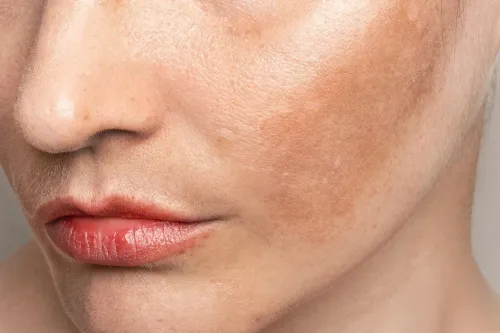
| Melasma versus post-inflammatory hyperpigmentation | Symmetrical patches on sun-exposed areas suggest melasma; colour remaining after a rash, injury or pimple suggests post-inflammatory hyperpigmentation | Prevent further pigment before choosing a procedure |
| Hair shedding versus patterned hair loss | Diffuse sudden shedding differs from gradual recession or crown thinning | Find triggers and protect follicle density |
| Dark circles causes | Brown pigment, bluish vessels, tear-trough hollowness and lighting-related shadows require different approaches | Observe or treat only the identified component |
Baseline records make the priority measurable. For acne, document inflammatory and non-inflammatory lesions, nodules or cysts, scars, pigmentary marks and psychosocial impact. A realistic goal might be fewer new lesions before scar treatment, preventing pigment from worsening, or slowing shedding rather than promising immediate regrowth.
Active inflammation comes first because it keeps creating marks and can worsen procedure-related pigmentation. The clinician should explain what improvement can and cannot be expected, and recommend observation when a stable, harmless concern carries more intervention risk than benefit.
How is the treatment plan matched to the diagnosis?
The diagnosis determines whether the safest next step is medication, trigger control, observation, or a procedure—not a procedure by default. Clinicians structure treatment plan phases as diagnosis, preparation, active treatment, maintenance and review.
| Option | Main role | When it applies |
|---|---|---|
| Topical medication | Treats a defined area with lower whole-body exposure | Localised acne, dermatitis or pigment concerns |
| Oral medication | Treats widespread, severe or treatment-resistant disease | Extensive acne, infection or inflammatory conditions |
| Procedure | Changes scars, texture, vessels or pigment | After diagnosis and control of active inflammation |
| Trigger management | Reduces exposure that worsens symptoms | Rosacea, contact dermatitis or irritation |
| Observation | Avoids unnecessary treatment while monitoring change | Benign, stable or self-limiting findings |
Preparation can mean stopping irritating products, treating active inflammation, checking medicines, arranging sun protection, or testing a small area before a peel, laser, microneedling or light-based treatment. The decision depends on diagnosis, medication use, sun exposure, skin type and procedure risk, including abnormal scarring or prolonged pigmentation.
Darker skin types need particular care because energy-based procedures can cause post-inflammatory hyperpigmentation or hypopigmentation.
For acne, benzoyl peroxide targets bacteria and inflammation, while a topical retinoid helps prevent blocked pores; antibiotics should not be used alone. Discuss pregnancy, breastfeeding, contraception and plans to conceive before retinoids or certain oral medicines.
Suspected allergic contact dermatitis requires patch testing with standardized allergens and delayed readings, not a short product trial. A rosacea plan can include a written record of heat, sunlight, alcohol, spicy foods, stress and irritating skincare, because triggers differ between people.
What should you ask before agreeing to a treatment plan?
Before agreeing, ask for a written plan that explains the diagnosis, not just the product or procedure. The most useful questions to ask a dermatologist cover what each step does, how long results take, and what happens if the plan causes problems.
- What is the diagnosis, and what are the active ingredient or device name, purpose, preparation instructions, pain-control options, treatment downtime, aftercare and maintenance requirements?
- How many sessions are needed, what is the session spacing, how often are appointments required, and when will improvement be assessed?
- How long will daily medication or skincare take, and does missing an application change the schedule?
- What are the common and serious risks, warning signs, alternatives, and review date?
| Ask about | Why it matters | Write down |
|---|---|---|
| Results and review | Acne first-line treatment is commonly reviewed at 12 weeks; early irritation can occur before improvement. Frequent product changes can prevent a fair trial. | Assessment date and success measure |
| Sun protection | Broad-spectrum, water-resistant SPF 30 or higher can limit ultraviolet damage and worsening pigmentation. Ask whether tinted sunscreen with iron oxides is advised when visible light worsens melasma. | Product, amount and reapplication plan |
| Ongoing care | Maintenance visits or daily treatment may reduce relapse after improvement. | Appointment frequency and maintenance plan |
Take the written answers home and compare effort, recovery, risk and expected benefit before consenting. Ask whether aftercare includes ongoing sun protection and exactly when to contact the clinic.
How can a clinic keep the plan safe, measurable and adaptable?
Safety comes from scheduled measurement, not from changing products after every bad skin day. A dermatologist-led treatment plan should record baseline photographs, examination findings, treatment dates, side effects and agreed outcome measures such as fewer new lesions, reduced itch or lighter pigmentation.
- At each treatment review, compare the record with the agreed target and decide whether to continue, adjust or stop.
- Reduce irritation when redness, burning or excessive dryness appears; investigate an unexpected reaction rather than adding another product.
- Extend a fair treatment trial when the diagnosis remains sound and improvement needs more time.
- Reconsider the original diagnosis when the pattern, symptoms or response no longer fit.
Maintenance skincare prevents gains from disappearing. Acne can relapse after treatment stops, so a clinician may discuss adapalene with benzoyl peroxide when appropriate. Pigmentation care usually depends on continued broad-spectrum sun protection and visible-light protection, including tinted sunscreen with iron oxides when advised.
Treat scars, texture or colour only after active disease is controlled. Discuss whether scars are atrophic, rolling, boxcar, ice-pick or raised, alongside likely session count and the risk of prolonged pigmentation, especially with darker skin types.
When comparing skin clinics, choose a consultation that covers diagnosis, medicines, pregnancy status, allergies, alternatives and follow-up—not only procedures. At SKIN ASTETICS CLINIC, this assessment can connect symptoms, history and goals to staged care while you weigh the time, cost and risk.
Frequently asked questions
What does a dermatologist assess before recommending treatment?
A dermatologist reviews how long the concern has existed, its symptoms, triggers, previous treatments, medicines, supplements, allergies, pregnancy or breastfeeding status, skin type and medical history.
How are similar-looking skin concerns separated and prioritised?
The dermatologist compares symptoms, appearance, distribution, timing, triggers and medical history to distinguish possible diagnoses and address urgent or active problems first.
How is the treatment plan matched to the diagnosis?
The plan links each treatment to the diagnosed concern, considers your skin type and health history, and sets out expected benefits, risks, timing and alternatives.
What should you ask before agreeing to a treatment plan?
Ask for the diagnosis, purpose of each treatment, expected timeline, side effects, alternatives, aftercare, total appointments and signs that require prompt review.
How can a clinic keep the plan safe, measurable and adaptable?
A clinic can record baseline findings, define outcome measures, schedule reviews, explain safety instructions and adjust treatment when your response or side effects require a change.