Dullness, fine lines, and uneven texture can look similar in the mirror but arise from different changes, including dehydration, excess surface scale, pigmentation, enlarged pores, acne scarring, sun damage, and laxity. By separating the cause from the appearance, you can compare treatments more safely, understand realistic results, and know when a medical assessment should come before cosmetic treatment.
Key takeaways
- Surface scale and dehydration can mimic dullness, roughness, and fine lines.
- Match peels, lasers, injectables, or regenerative treatments to the underlying concern.
- Ask about downtime, sun protection, side effects, and realistic treatment outcomes.
- Delay treatment during active irritation, infection, or uncontrolled skin inflammation.
What Is Causing Your Dullness, Fine Lines, or Uneven Texture?
Dull skin is a visual symptom, not a diagnosis. Examine it in consistent daylight after cleansing: accumulated surface scale looks rough and catches light unevenly, while dehydration skin texture appears tight, flaky, or marked by tiny temporary lines that improve after moisturiser.
Oil, harsh cleansing, and poor sleep can also reduce radiance without creating a lasting structural problem.
Use the pattern to identify what needs attention:
- Fine lines that appear mainly when you smile, frown, or squint are dynamic lines driven by muscle movement. Lines visible at rest reflect established creasing, sun damage, collagen loss, or repeated dehydration.
- Uneven skin texture means raised pores, rough patches, shallow acne scars, or irregular depressions that remain visible after moisturising. A single enlarged pore is different from widespread scar texture.
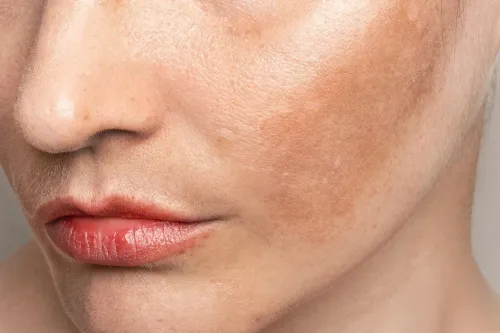
- Brown patches, freckles, and uneven tone point toward excess melanin or photodamage rather than simple dryness. Redness, burning, scaling, pus, or painful bumps suggest active inflammation or disease, not a routine resurfacing concern.
A clinician should assess your skin type, sunscreen use and sun exposure, acne or surgical scars, pore visibility, wrinkle depth, laxity, medications, and active skin disease before recommending treatment. Broad-spectrum, water-resistant SPF 30 or higher is foundational; apply it generously and reapply about every two hours outdoors or after swimming or sweating.
Treating inflammation or dehydration first can prevent an aggressive procedure from worsening pigmentation, irritation, or scarring.
Which Facial Rejuvenation Treatment Matches Each Concern?
Match the treatment to the tissue change, not to the word “dull.” Surface scale and dehydration need a different approach from excess melanin, acne scarring, or loosened skin.
| Concern | Often-matched option | What it can improve | Key limit |
|---|---|---|---|
| Surface dullness | Chemical peel for dull skin | Superficial scale, roughness, and mild uneven tone | Deeper peels increase pigment change, scarring, and downtime |
| Fine lines | Microneedling for fine lines; topical retinoid | Early lines and fine textural irregularity | Microneedling usually needs a series and does not equal laser resurfacing |
| Pigmentation | Selected laser treatments or superficial peel | Discrete sun spots and some uneven pigmentation | Melasma and darker skin tones need careful settings because inflammation can worsen pigment |
| Visible pores | Microneedling, superficial peel, or laser skin resurfacing | Texture around enlarged pores and photodamage | No treatment permanently removes pores |
| Acne or surgical scars | Microneedling or laser skin resurfacing | Depressed scars and uneven texture | Raised scars need a different medical plan |
| Laxity | Laser resurfacing for limited tightening; filler for lost volume | Mild laxity or hollowing when correctly identified | Neither replaces surgery for substantial sagging |
Botulinum toxin suits movement-related forehead, glabellar, and crow’s-feet lines, not dullness or static texture. Skin boosters improve hydration rather than lift. Facial rejuvenation treatments work best when skin type, active disease, scar pattern, medications, and sun exposure guide the choice. More energy, needle depth, or peel strength can create inflammation without a better result.
How Do You Compare Peels, Lasers, Injectables, and Regenerative Treatments?
Choose by the tissue being changed: the surface, deeper collagen, hydration, muscle movement, or lost volume. The chemical peel vs microneedling decision is not a stronger-versus-weaker contest; it is a surface exfoliation versus controlled dermal injury choice.
| Option | Main action | Practical difference |
|---|---|---|
| Chemical peel | Removes selected surface layers | Superficial glycolic, lactic, or salicylic peels suit mild dullness and uneven tone; deeper peels bring more downtime and pigment, scarring, or toxicity risk. |
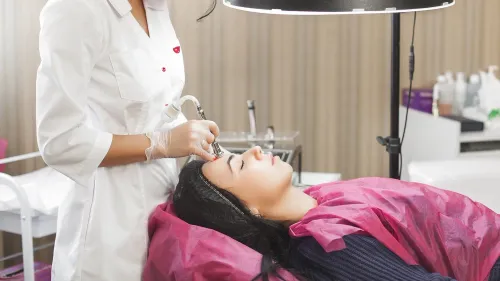
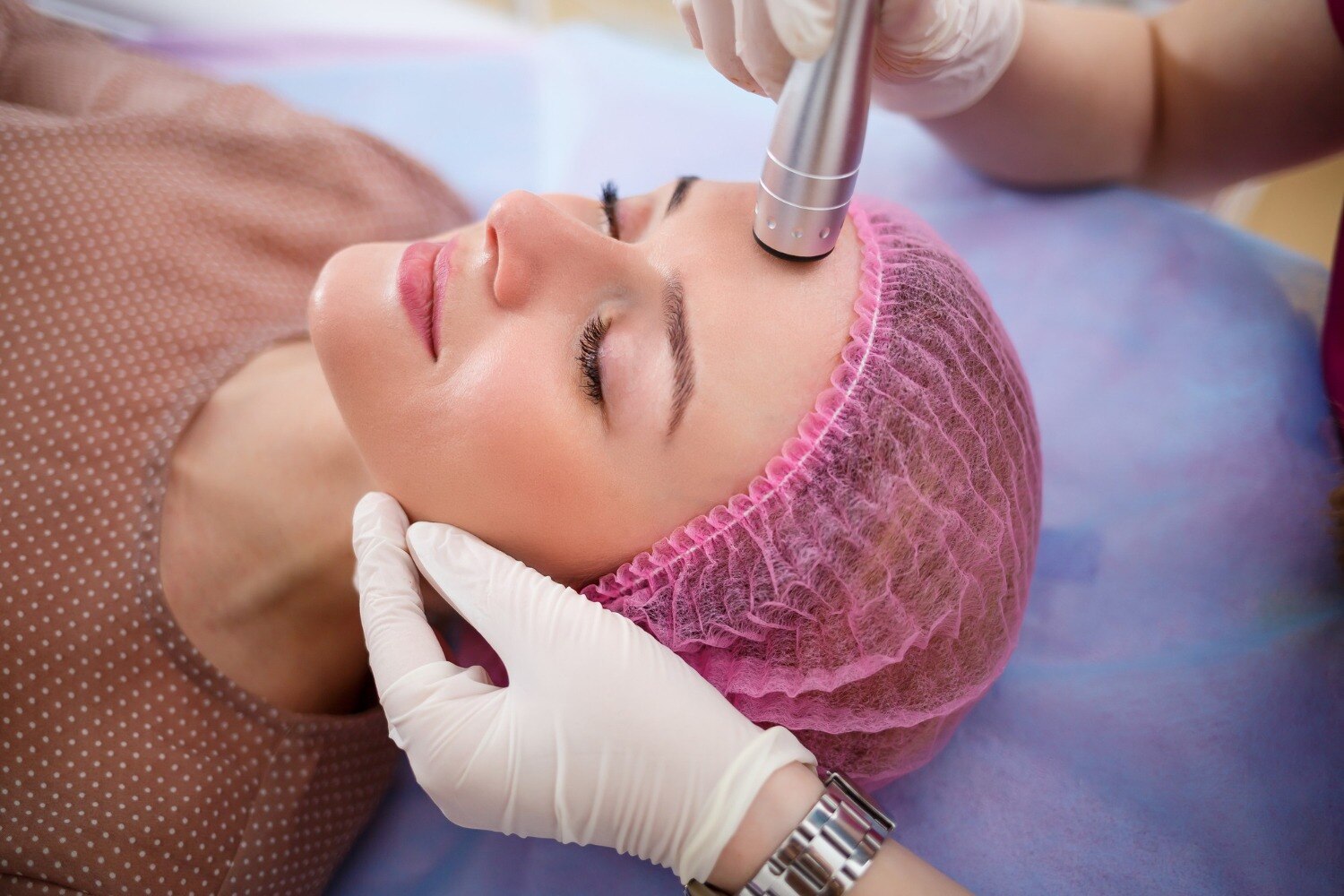
| Microneedling | Creates tiny dermal injuries | Helps some acne scars, fine lines, and texture through collagen repair; redness and several sessions are common. |
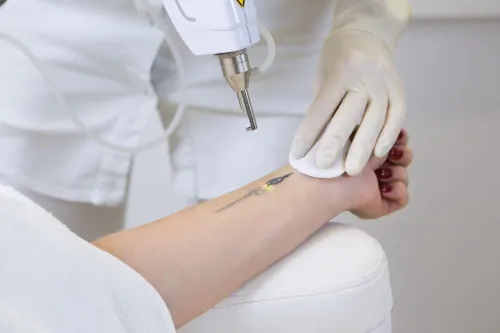
| Carbon laser toning | Heats carbon-coated skin with laser energy | Offers a short-recovery approach for temporary brightness, oil reduction, and mild uneven tone, not major laxity correction. |
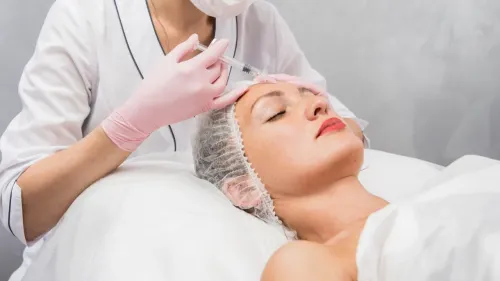
| Skin boosters | Deposits injectable hyaluronic acid for hydration | Improves suppleness and fine dehydration lines, but does not replace lost volume or relax muscles. |
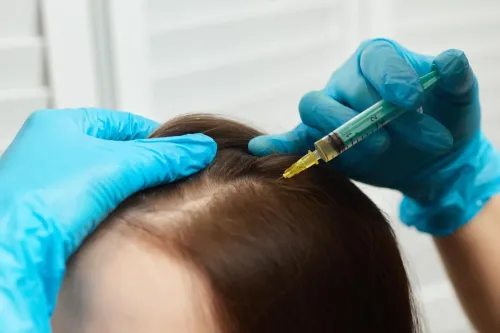
| PRP | Injects concentrated platelet-containing plasma | Uses your blood; results depend on preparation and treatment plan. |
| GFC | Injects growth-factor concentrate from your blood | The PRP and GFC treatment comparison depends on processing method, evidence, and the clinic’s protocol. |
| Fillers | Add gel volume or structural support | Suit hollows, folds, or contour loss; swelling, lumps, vascular injury, and overcorrection require discussion. |
| Botox | Temporarily reduces targeted muscle activity | Suits movement lines such as frown or forehead lines, not etched texture or volume loss. |
More aggressive settings do not guarantee better skin. Excess inflammation after a peel, laser, or needling can trigger post-inflammatory hyperpigmentation, especially in darker skin; ask about conservative settings, test spots, and sun protection.
What Happens During Treatment and Recovery?
A facial rejuvenation consultation begins with an examination of your skin type, pigmentation, wrinkle depth, pore visibility, scars, laxity, sun exposure, medications, and current skin disease. Tell the clinician about cold sores, recent tanning, abnormal scarring, and previous procedures.
Active acne, dermatitis, or infection may need treatment first; recurrent herpes can require antiviral cover before resurfacing.
1. Before treatment, follow the preparation plan. This may include stopping irritating skincare, avoiding tanning, and using sunscreen. Ask whether a test spot is sensible, especially for laser or light treatment on darker skin, where post-inflammatory hyperpigmentation remains possible.
2. During treatment, numbing cream can make microneedling more comfortable. A laser procedure requires laser eye protection, while a chemical peel may cause stinging followed by peel neutralisation at the prescribed time. The clinician adjusts needle depth, peel strength, or laser energy to the concern; stronger settings are not automatically better.
3. Immediately afterward, expect redness and warmth after a peel or laser, or pinpoint bleeding and swelling after microneedling. Follow wound-care instructions, avoid picking and unapproved products, and protect the skin from ultraviolet exposure. Ablative laser resurfacing needs more wound care and downtime than nonablative treatment.
SKIN ASTETICS CLINIC should assess whether a series, rather than one session, fits your skin and target. Results develop as healing progresses, and maintenance skincare, sunscreen, and selected repeat treatments remain necessary because ageing and sun exposure continue.
When Should You Delay Facial Rejuvenation?
Postpone treatment until a clinician assesses any active infection, open wound, inflamed dermatitis, or uncontrolled acne. Active acne treatment may need to come first because needling, peels, and lasers can spread inflammation, delay healing, or worsen post-inflammatory hyperpigmentation.
Tell the clinician about:
- Isotretinoin use, recent stopping, and the planned procedure; isotretinoin and cosmetic procedures need individualized timing rather than an automatic clearance.
- Blood thinners, aspirin, anti-inflammatory medicines, steroids, or medicines that impair immunity or wound healing.
- A history of keloids, poor wound healing, cold sores, facial surgery, or recent injections.
- Recent tanning, sunburn, waxing, or another peel, laser, or needling session.
| Condition or warning sign | Why it changes the decision | What may happen next |
|---|---|---|
| Active herpes, bacterial infection, or dermatitis | Treatment can intensify inflammation or spread infection | Delay until controlled; antiviral prophylaxis may be prescribed for some resurfacing procedures |
| Recent tanning or darker skin prone to pigmentation | Heat and inflammation raise the risk of uneven pigment | Use conservative settings, a test spot, and strict sun protection |
| Keloid tendency or poor wound healing | Controlled injury can produce thick scars or prolonged recovery | Avoid certain procedures or obtain specialist assessment |
| Blood-thinning medication | Needling and injections can cause more bleeding and bruising | Review the medicine; never stop it without the prescriber |
| Unexplained swelling, blistering, severe pain, or vision changes after treatment | These can signal serious facial rejuvenation risks | Seek urgent medical care, especially after filler |
Fillers require extra caution because rare vascular blockage can cause tissue loss, visual impairment, or stroke. Choose a trained medical professional with an emergency plan.
Frequently asked questions
What causes facial dullness, fine lines, and uneven skin texture?
Surface scale can make skin look rough, while dehydration creates tightness, flaking, and temporary fine lines. Ageing, sun exposure, acne scars, and inflammation can also affect texture.
Which facial rejuvenation treatment matches each skin concern?
Peels can target surface dullness, lasers can address selected pigment and texture concerns, injectables can soften movement-related lines or restore volume, and regenerative treatments are chosen for specific skin-quality goals.
How do peels, lasers, injectables, and regenerative treatments compare?
They differ in treatment depth, purpose, downtime, risks, and results. Compare the target concern, number of sessions, recovery period, and need for strict sun protection before choosing.
When should you delay facial rejuvenation?
Delay treatment during active skin irritation, infection, open wounds, uncontrolled inflammation, or a flare of conditions such as eczema or herpes labialis. Tell your clinician about medicines, pregnancy, and recent procedures.