PRP is not a filler or a universal hair-loss treatment: its value depends on the diagnosis, the preparation method, and how it is delivered. By the end, you will know what happens during a session, which concerns PRP is most suited to, how it compares with other options, and what to ask before scheduling treatment.
Key takeaways
- Confirm the centrifuge system and anticoagulant used for your blood sample.
- Scalp PRP uses injections across thinning areas; facial PRP targets selected skin zones.
- Compare PRP with proven options, and ask what result is realistically achievable.
- Delay treatment for relevant infections, bleeding risks, or unclear medical history.
What Happens to Your Blood During a PRP Session
PRP blood collection starts with a small venous blood draw into a sterile tube containing the system’s required anticoagulant. The tube is then placed in a centrifuge.
Centrifugation separates red cells from plasma layers and concentrates platelets into the fraction selected for treatment; the clinician transfers that fraction into a syringe for scalp or facial use.
Platelet concentration is clinically meaningful only alongside the final volume, white-cell content, red-cell contamination, and activation method. A larger syringe does not prove a stronger preparation. PRP is not a dermal filler: it does not create immediate volume, and any improvement depends on tissue responses that develop over time.
Before treatment, ask the clinic to explain:
- Whether the product is leukocyte-rich or leukocyte-poor PRP
- How the blood is labeled, handled, and transferred without breaking sterile technique
- How the platelet concentration or preparation quality is assessed
- Whether the product is injected or applied after microneedling
- Which outcomes the exact protocol is designed to measure
PRP is personalized because your platelet count, anemia status, and underlying condition affect what can be prepared safely. A markedly low platelet count or abnormal blood result can change the plan, so the clinician should review your history and order laboratory tests when indicated.
Pain, redness, swelling, tenderness, and bruising can still occur even though the material comes from your own blood.
How PRP Is Delivered to the Scalp Versus the Face
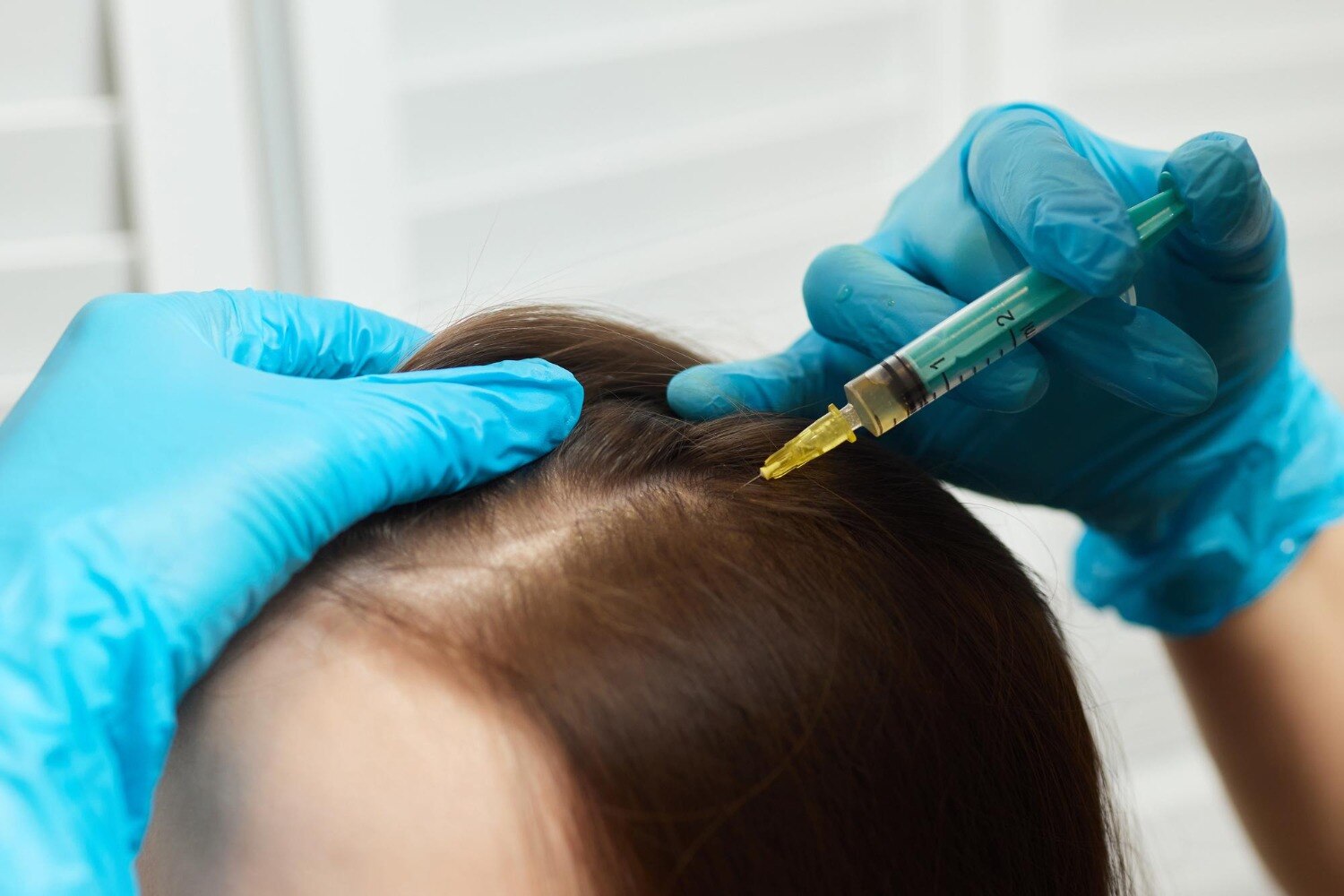
Scalp PRP injections are placed across mapped areas of thinning, while facial PRP uses shallower, more closely spaced deposits. On the scalp, the clinician parts the hair, marks the front, mid-scalp, or crown, and uses treatment mapping to cover follicles rather than the entire head.
Injection depth reaches the dermis or superficial subcutaneous tissue around affected follicles; the exact depth depends on scalp thickness and the device used.
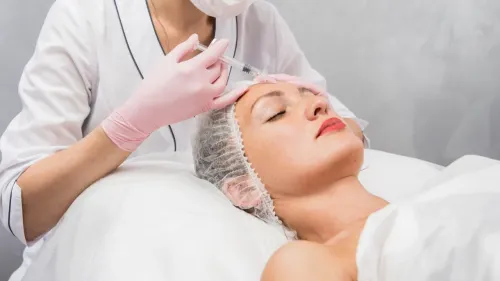
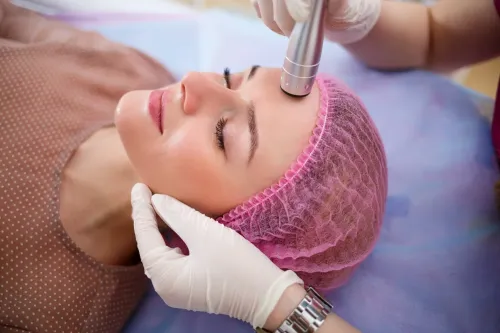
Facial PRP is delivered as small intradermal injections or, in some protocols, through microneedling. The clinician maps areas such as acne scars, cheeks, under-eye skin, or fine lines and adjusts injection depth to avoid visible lumps, vessels, and delicate structures. Facial PRP spreads across skin quality concerns, not missing volume.
| Area | Realistic target | What it does not reliably correct |
|---|---|---|
| Scalp | Androgenetic alopecia, with gradual changes in hair density or thickness | Sudden shedding, scarring alopecia, or advanced bald areas without viable follicles |
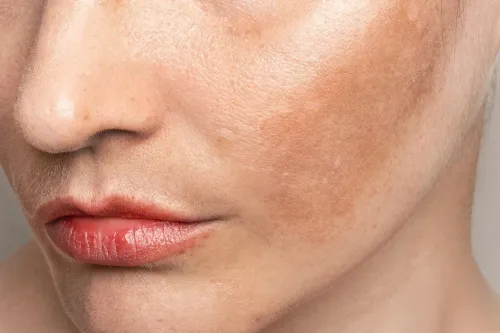
| Face | Fine lines, mild uneven texture, selected acne scars, dullness, and some pigmentation | Facelift-level tightening, deep folds, lost facial volume, or marked skin laxity |
Hair improvement is judged after roughly three to six months, not immediately; early swelling, lighting, or styling can mislead. Facial changes also develop gradually and remain variable because studies use different depths, session schedules, and combinations with laser or microneedling. PRP is a biologic treatment, not a filler.
What Results PRP Can Compete With—and Where It Falls Short
PRP has its strongest clinical support for androgenetic alopecia, not unexplained shedding. Randomized trials, including a double-blind half-head study in men, report increased hair density or thickness after a treatment series and follow-up of roughly three to six months.
PRP evidence for telogen effluvium, alopecia areata, and scarring alopecia is not interchangeable; destroyed follicles cannot be restored by a regenerative injection.
| Option | Best-supported use | Where it falls short |
|---|---|---|
| PRP | Pattern hair loss; gradual improvement in facial texture and fine lines | Does not reliably restore all lost hair, tighten marked laxity, replace volume, or erase deep folds |
| Minoxidil or finasteride | Established medicines for pattern hair loss | Require consistent use; finasteride needs medical review because of potential adverse effects |
| GFC or exosomes | Marketed for hair and skin regeneration | Protocols, preparation standards, and clinical evidence vary; do not assume they outperform PRP |
| Laser, chemical peels, or skin boosters | Texture, pigmentation, scars, hydration, or selected signs of ageing | Each targets a narrower problem and carries its own downtime and risks |
For skin, PRP’s plausible benefit is a gradual improvement in texture, dullness, fine lines, and selected acne-scar changes. Studies are smaller and protocols differ more than in hair research, so “PRP” does not guarantee a reproducible result. Microneedling, fractional laser, peels, or injectables may suit a defined skin concern better.
Ask what the clinic will measure, which PRP type it uses, and whether maintenance is expected. A quick post-treatment photograph proves little; swelling, lighting, and styling can disguise the actual result.
Sessions, Sensation, Recovery, and When Results Are Judged
Pattern hair loss is commonly treated with three PRP sessions about four weeks apart. Facial rejuvenation plans vary, but clinics often propose two to four sessions with four- to six-week treatment spacing. Ask which outcome will be measured: hair density, shaft thickness, fine lines, texture, or another defined endpoint.
A topical anaesthetic can reduce injection discomfort, especially on the face and scalp. You may still feel needle pricks, pressure, or brief stinging as the PRP enters the skin. The blood draw usually feels like a standard venipuncture.
PRP downtime is usually limited, but plan for:
- Redness, pinpoint bleeding, tenderness, or mild swelling for one to three days
- Scalp tightness or soreness after hair treatment
- Temporary facial bumps if multiple injections were used
- Avoiding strenuous exercise, alcohol, and irritating skincare until the treating clinician advises resumption
Do not judge hair improvement immediately. Hair studies commonly assess density or thickness at roughly three to six months, after the hair cycle has had time to respond. Early photographs can mislead because swelling, lighting, styling, and shedding fluctuate.
Assess skin changes after the planned series using identical lighting and camera distance. Maintenance is not standardized: discuss another session only after measuring whether the improvement has faded, rather than booking indefinitely on a fixed promise.
Who Should Delay PRP and What to Confirm Before Treatment
A diagnosis comes before a PRP plan, especially for hair loss. Telogen effluvium, alopecia areata, scarring alopecia, thyroid or iron-related disease, medication-related shedding, and pattern hair loss need different treatments. PRP evidence for one diagnosis does not transfer automatically to another; destroyed follicles in scarring alopecia cannot be restored by injections.
Review your medical history before booking treatment. Confirm these points with the treating dermatologist:
- Platelet disorders, bleeding disorders, significant anaemia, uncontrolled diabetes, immune suppression, or another uncontrolled systemic illness
- Blood-thinning medicines, including anticoagulants and antiplatelet drugs
- An active infection, open wound, dermatitis flare, or herpes outbreak at the treatment site
- Recent laser treatment, chemical peel, microneedling, dermarolling, filler, scalp procedure, surgery, or hair transplant
- Medicines that could explain shedding, plus thyroid symptoms and iron deficiency risks
Do not stop blood-thinning medicines to improve the PRP sample. Ask the prescribing doctor and the dermatologist to decide whether treatment is safe and when it can occur.
| Issue to review | Why treatment may be delayed | What to confirm |
|---|---|---|
| Anaemia or platelet problem | Blood quality or clotting may be inadequate | Recent blood counts and whether the condition is treated |
| Active infection or unhealed procedure site | Needling can spread infection or worsen inflammation | Complete healing and clearance from the clinician |
| Hair-loss diagnosis | PRP cannot replace diagnosis-specific treatment | Examination, scalp assessment, and tests such as ferritin or thyroid testing when indicated |
At SKIN ASTETICS CLINIC, ask which findings would postpone treatment and how the proposed protocol changes for your diagnosis and medicines.
Related service
GFC & PRP GFC and PRP Treatments at Skin Astetics Clinic Unlock the power of your body’s natural healing with advanced GFC (Growth Factor Concentrate) and PRP... View service → |
Frequently asked questions
What happens to your blood during a PRP session?
A clinician takes a small venous blood sample into a sterile tube containing the system’s required anticoagulant. The tube is centrifuged to separate platelet-rich plasma from other blood components before injection.
How is PRP delivered to the scalp compared with the face?
Scalp PRP is injected across areas of thinning or hair loss. Facial PRP is delivered to selected skin zones, with the technique chosen according to the treatment goal and skin condition.
When should you judge the results of PRP treatment?
Judge results after the planned treatment course and follow-up period rather than immediately after an injection. Your clinician should set an assessment timeline based on whether you are treating hair concerns or skin rejuvenation.
Who should delay PRP treatment?
Delay treatment until a clinician reviews the issue if you have an active infection, a bleeding concern, an unclear medication history, or another condition that affects injection safety. Confirm the diagnosis, preparation system, injection plan, and expected recovery before proceeding.