Warts are small skin growths caused by certain types of human papillomavirus. While many warts are harmless, they can become uncomfortable, repeatedly irritated, cosmetically noticeable, or difficult to manage when they occur on frequently used areas such as the hands and feet.
People in Vijayanagar, Bengaluru, considering Wart Removal treatment should first understand why warts develop and why professional assessment is useful before attempting removal at home.
Why Warts Can Persist
Warts develop when the virus enters the outer layer of the skin, often through tiny cuts or breaks.
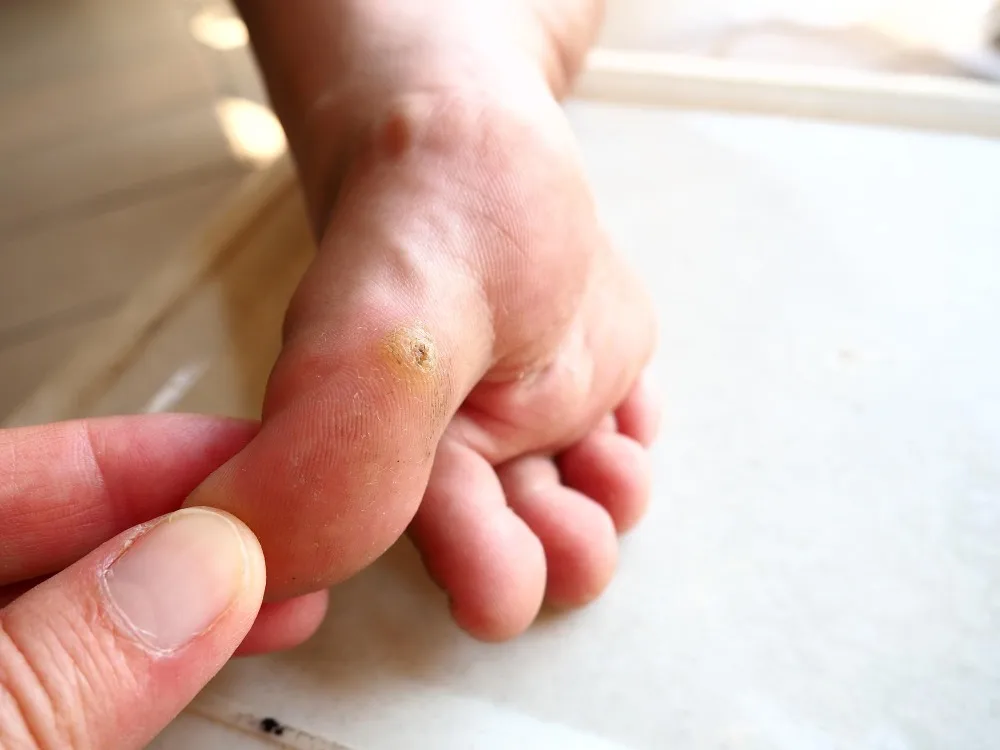
Their appearance varies according to location. Some have a rough surface, while others may appear flatter. Plantar warts on the soles of the feet may grow inward because of pressure from walking.
Warts can sometimes disappear without treatment, but this may take considerable time.
When Removal May Be Considered
Not every wart needs immediate removal.
Dermatological evaluation becomes particularly useful when a growth:
- Causes pain during walking
- Bleeds repeatedly
- Is frequently irritated
- Appears to be spreading
- Develops around nails
- Creates significant cosmetic concern
- Has an uncertain diagnosis
- Returns after previous treatment
A dermatologist can first confirm whether the growth is actually a wart.
Why Cutting a Wart at Home Is Risky
Attempting to cut, burn, pierce, or aggressively scrape a wart can cause bleeding and skin injury. It may also increase the chance of infection and does not necessarily eliminate the affected tissue.
Using harsh chemicals without guidance can similarly damage healthy surrounding skin.
Professional Wart Removal treatment provides a controlled approach selected according to the size, location, number, and type of lesions.
Dermatology Procedures Used for Warts
Several approaches may be considered depending on the individual case.
Cryotherapy uses controlled freezing to treat wart tissue. Electrosurgical methods, cautery, laser-based procedures, prescription medicines, and other dermatological techniques may be considered in appropriate cases.
Some treatments require more than one session.
The best technique is not simply the most aggressive one. Treatment needs to balance effectiveness with healing, skin type, location, and the possibility of pigmentation changes or scarring.
Can Warts Return After Treatment
Recurrence is possible because treatment removes the visible lesion but the underlying viral behaviour can vary.
Patients may therefore be advised to monitor the treated area and avoid picking at new lesions.
Good hand hygiene and avoiding direct contact with another person's wart can also reduce unnecessary exposure.
Getting the Growth Checked First
A skin growth should not automatically be labelled a wart based on appearance alone. Moles, skin tags, corns, and other lesions may sometimes be confused with warts.
Skin Astetics Clinic evaluates suspicious or bothersome skin growths before recommending an appropriate procedure.
For patients seeking wart care, the first priority should be confirming what the lesion is. Once the diagnosis is clear, a dermatologist can discuss whether observation, medical treatment, or procedural removal is the most appropriate next step.
Keywords