Losing a few hairs each day is normal, but a sudden increase, visible scalp, widening part, or smaller ponytail can signal a treatable problem. By separating temporary shedding from follicle miniaturisation and scalp disease, you can judge when observation is reasonable, which tests are useful, and when treatment deserves a dermatologist’s review.
Key takeaways
- Treat persistent handfuls of shed hair as a reason to book a dermatology assessment.
- Compare hair loss patterns and timing before choosing a treatment.
- Ask about scalp examination, medical history, and tests for reversible causes.
- Choose treatment based on shedding, follicle miniaturisation, or both.
How Much Hair Shedding Is Excessive, and What Does Thinning Look Like?
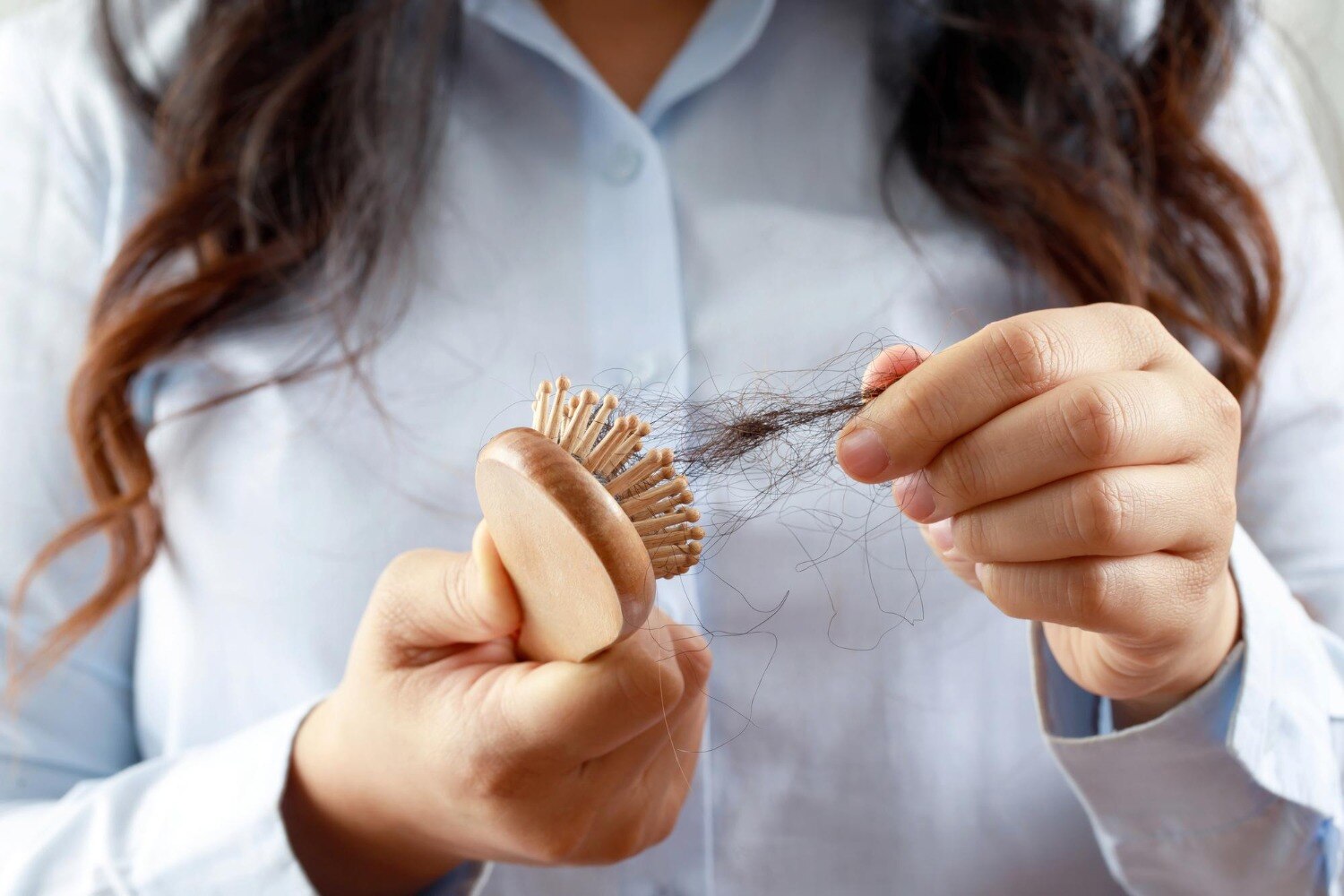
Most people lose about 50–100 hairs a day, although washing frequency makes counting unreliable. Excessive hair shedding is a clear change from your usual amount: hair comes out in handfuls, collects heavily on your pillow or clothing, or clogs the drain repeatedly for several weeks.
A sudden increase can appear two to three months after fever, major illness, surgery, rapid weight loss, childbirth, or severe stress.
Thinning hair means reduced density, not simply more loose strands. Look for these gradual changes:
- A widening parting, especially in photographs taken under the same lighting
- More scalp visible at the crown or through the top of the hair
- A smaller ponytail or thinner braid
- Receding temples or a changing hairline
Diffuse shedding with a normal-looking scalp often reflects telogen effluvium, which can improve after its trigger is corrected. A widening parting, crown visibility, or progressive temple recession points more toward pattern hair loss, where follicle miniaturisation can continue even if daily shedding seems modest.
Arrange a dermatology assessment for sharply defined bald patches, broken hairs, eyebrow loss, scalp pain, intense itching, scaling, redness, or pustules. Seek evaluation when shedding persists beyond several months, keeps worsening, or follows a new medicine, restrictive diet, or systemic illness; counting hairs alone cannot identify iron deficiency, thyroid disease, alopecia areata, or scalp inflammation.
The Pattern and Timing of Hair Loss Point to Different Causes
Timing and shape change the next step: diffuse shedding after a clear event may need observation, while patches, scalp symptoms, or progressive thinning need diagnosis and treatment.
| Pattern or timing | Likely cause | Next step |
|---|---|---|
| Diffuse shedding beginning 2–3 months after fever, surgery, childbirth, rapid weight loss, or severe stress | Telogen effluvium | Observe for several months while correcting the trigger; investigate if shedding continues or worsens |
| Widening part, receding temples, smaller ponytail, or increasing crown visibility | Androgenetic alopecia hair loss | Arrange dermatology assessment because medicine works best before follicles become extensively miniaturised |
| Diffuse shedding with fatigue, heavy periods, restricted eating, or other systemic symptoms | Iron deficiency hair loss, nutritional deficiency, or thyroid disease | Ask a clinician whether a complete blood count, ferritin, thyroid tests, or targeted nutritional tests fit the history; do not start iron without confirming deficiency |
| Smooth, sharply outlined bald patches, eyebrow or eyelash loss, or nail changes | Alopecia areata | Seek dermatology care for diagnosis and medicine; routine pattern-loss treatment will not address the autoimmune process |
| Pain, burning, intense itch, scale, pustules, crusting, or shiny skin lacking follicular openings | Inflammatory or scarring alopecia | Seek prompt dermatology care because ongoing inflammation can permanently destroy follicles and a biopsy may be needed |
A sudden change without an obvious trigger deserves assessment rather than indefinite observation. If pregnancy is possible, do not self-start finasteride; treatment choices require a confirmed diagnosis and pregnancy-safe plan.
What a Dermatologist Checks Before Recommending Hair Fall Treatment
The cause becomes clearer when a hair loss consultation connects timing with scalp findings. Your dermatologist asks about illness, fever, surgery, major stress, weight change, diet, new medicines, family history, menstrual changes, pregnancy, and symptoms such as itching, pain, burning, or scaling.
1. The scalp examination checks for diffuse thinning, a widening part, recession, sharply defined patches, broken hairs, scale, pustules, crusting, and loss of follicular openings. A shiny area without openings raises concern for scarring alopecia, which can permanently destroy follicles.
2. The hair-pull test measures active shedding. The clinician gently holds a small bundle of hairs and pulls near the scalp; numerous hairs released from several areas support ongoing shedding, while a negative result does not exclude patterned thinning.
3. Dermoscopy for hair loss magnifies follicles and reveals clues that the naked eye misses, including different hair-shaft diameters in pattern loss, yellow or black dots in alopecia areata, broken hairs, inflammation, and scarring.
4. Targeted tests answer questions raised by the history and examination. A complete blood count, ferritin, and TSH can investigate anemia, iron deficiency, or thyroid disease; additional nutritional, hormonal, or other tests depend on the clinical picture.
5. A scalp biopsy may be needed when the diagnosis remains uncertain or scarring is suspected. Delaying assessment for pain, burning, crusting, or a shiny scalp risks losing follicles that treatment cannot reliably restore.
Treatment Depends on Whether Hair Is Shedding or Follicles Are Miniaturising
Diffuse shedding with a normal-looking scalp needs a different plan from follicles that are shrinking. Telogen effluvium after illness, major stress, weight loss, or childbirth often improves after the trigger is corrected; treatment focuses on finding that trigger rather than immediately using a growth drug.
| Cause | Treatment focus | What to expect |
|---|---|---|
| Temporary shedding | Identify and remove the trigger; monitor regrowth | Shedding settles gradually, but density can take months to recover |
| Pattern hair loss | Topical minoxidil; clinician-prescribed oral minoxidil; finasteride or dutasteride for appropriate patients | Judge the hair loss treatment timeline after at least six months; early shedding can occur, and gains require continued treatment |
| Deficiency or thyroid disease | Replace confirmed iron or nutrient deficiencies and treat thyroid disease | Supplementing without a documented deficiency can waste time and cause harm |
| Medication effect | Review the suspected medicine with the prescriber; do not stop essential treatment abruptly | Improvement depends on the drug and whether an alternative is safe |
| Inflammation or autoimmune disease | Treat the scalp disorder; alopecia areata may require corticosteroid injections or other prescription therapy | Pain, scale, pustules, smooth patches, eyebrow loss, or nail changes need prompt assessment |
Topical minoxidil can irritate the scalp or cause facial hair; applying more will not improve results. Oral minoxidil requires medical monitoring, while finasteride dutasteride need particular caution around pregnancy, sexual side effects, and other risks. A widening part or receding temples calls for a pattern-loss plan, not reassurance alone.
When a Personalised Treatment Plan Is More Useful Than a Procedure
A personalised plan is more useful than a procedure when the diagnosis, activity, or likely response remains uncertain. Compare medical treatment, hair loss monitoring, and procedures after examining the scalp and documenting density; treating the wrong condition can delay control while thinning progresses.
| Option | What it addresses | When it applies |
|---|---|---|
| Medical treatment | Active pattern loss, inflammation, alopecia areata, or a correctable trigger | Choose after diagnosis; finasteride requires pregnancy-risk discussion, and minoxidil does not work faster when applied excessively |
| Monitoring | Change over time through standardised photographs, part-width checks, and symptom review | Useful for temporary shedding when the scalp is healthy and density is stable or recovering |
| Procedure | Adds support or redistributes existing follicles | Consider after disease control; hair restoration options cannot replace lost donor supply, and transplantation does not stop active loss |
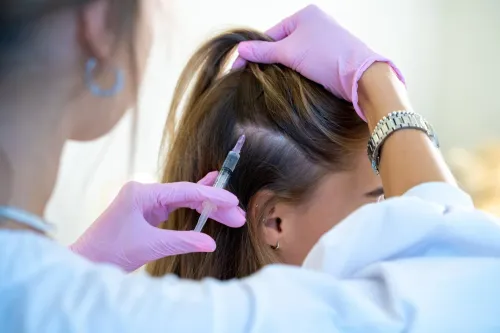
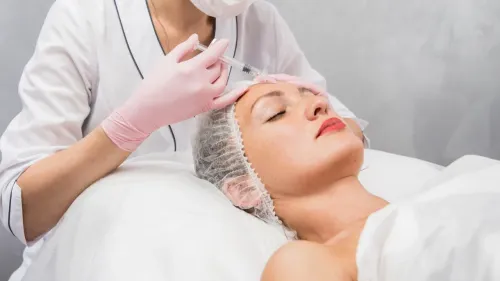
PRP and GFC hair treatment comparison should include the injection protocol, evidence quality, expected timeline, number of sessions, adverse effects, and total cost—not just the label. Microneedling and low-level light devices also differ in protocols, so a package is not automatically a sound diagnosis.
Pain, burning, pustules, crusting, marked scale, or a shiny scalp without follicular openings needs prompt assessment because scarring alopecia can destroy follicles permanently. Smooth sharply defined patches, eyebrow or eyelash loss, and nail changes point away from routine pattern loss.
At SKIN ASTETICS CLINIC, dermatologist-led hair treatment can link examination, targeted tests, and follow-up before you spend time on an unsuitable procedure.
Frequently asked questions
How much hair shedding is excessive?
Most people lose about 50–100 hairs daily. Shedding becomes concerning when it changes clearly from your normal pattern, continues for several weeks, or appears in handfuls and heavy clumps on bedding, clothing, or drains.
What can the pattern and timing of hair loss indicate?
Diffuse shedding across the scalp, a receding hairline, crown thinning, round patches, and sudden loss point to different causes. Timing after illness, major stress, weight loss, childbirth, or medication changes also helps guide evaluation.
What does a dermatologist check before recommending hair fall treatment?
A dermatologist reviews your shedding timeline, family history, diet, illnesses, medicines, menstrual or hormonal changes, and hair-care practices. They examine the scalp and hair density, then order targeted tests when the history or examination suggests a reversible cause.
How does treatment differ for shedding and thinning hair?
Excessive shedding often requires identifying and correcting a trigger, while follicle miniaturisation requires treatment aimed at slowing progression and supporting density. Some people have both problems, so the plan depends on the examination.
When is a personalised treatment plan more useful than a procedure?
A personalised plan is more useful when hair loss has several possible causes, is diffuse or recent, or requires medical assessment and follow-up. Procedures alone do not address triggers such as nutritional deficiency, illness, medication effects, or active scalp disease.