A widening part, a receding hairline, sudden shedding, smooth patches, and a shiny scalp do not point to the same diagnosis or treatment. By matching the pattern and timing of your hair loss with the right examination and targeted tests, you can distinguish temporary shedding from progressive follicle damage and compare treatments without paying for an unsuitable package.
Key takeaways
- Pattern and timing help distinguish miniaturisation, shedding, and patchy hair loss.
- A scalp examination directs targeted tests instead of broad, unnecessary testing.
- Choose treatment for the diagnosed cause, not hair loss alone.
- Check side effects, treatment effort, warning signs, and realistic results first.
Match the hair-loss pattern to its most likely cause
Location and timing narrow the diagnosis: gradual loss with a predictable distribution suggests follicle miniaturisation, while sudden shedding or sharply defined patches points to a different process.
| Pattern | Most likely cause | Clues |
|---|---|---|
| Widening part, crown thinning, or a receding hairline | Androgenetic alopecia | Gradual reduction in density, with finer miniaturized hairs rather than a sudden increase in shedding |
| Diffuse shedding across the scalp | Telogen effluvium | Noticeably more hair on the pillow or in the shower, beginning two to three months after illness, surgery, childbirth, major weight loss, or severe stress |
| Round, smooth bald patches | Alopecia areata | Sudden sharply bordered patches, sometimes with short exclamation-mark hairs; eyebrows or body hair can also be affected |
| Broken hairs along the hairline or where hair is tightly pulled | Traction alopecia | Tenderness or repeated tension from tight braids, extensions, buns, or helmets |
| Diffuse thinning with fatigue, dietary restriction, medication change, or thyroid symptoms | Nutritional, thyroid-related, or medication-related shedding | The timing follows the deficiency, illness, or drug exposure |
| Scale, redness, pustules, pain, or marked itch | Scalp infection or inflammation | Symptoms accompany hair loss rather than simple thinning |
| Shiny skin with missing follicle openings | Scarring alopecia | Permanent follicle destruction is possible; prompt assessment matters |
Telogen effluvium often improves after its trigger is corrected, whereas androgenetic alopecia progresses without treatment. Dermoscopy helps separate miniaturisation, active patches, and scarring; do not assume every sudden shed is pattern loss.
Use the examination and targeted tests to confirm the diagnosis
Start with the timeline: ask when shedding or thinning began, whether it followed fever, surgery, childbirth, rapid weight loss, severe stress, or a new medicine, and whether relatives have similar loss. Examine the hairline, part, crown, scalp skin, body hair, nails, and follicle openings.
A pull test estimates active shedding; trichoscopy reveals miniaturised hairs, broken shafts, yellow dots, scale, or inflammation.
| Finding | More likely explanation | Useful confirmation |
|---|---|---|
| Gradual miniaturisation at the part or crown | Androgenetic alopecia | Trichoscopy showing variable shaft diameter |
| Round, smooth patches | Alopecia areata | Exclamation-mark hairs on examination or trichoscopy |
| Broken hairs along the hairline | Traction or hair-shaft damage | History of tight styles and shaft examination |
| Scale, pustules, tenderness, or crusting | Infection or inflammatory disease | Fungal testing, culture, or biopsy when needed |
| Shiny skin without follicle openings | Scarring alopecia | Prompt specialist assessment and scalp biopsy |
| Sudden diffuse shedding | Telogen effluvium, illness, deficiency, or medication effect | Trigger history and targeted laboratory tests |
Order tests based on those findings, not as an automatic panel. A complete blood count and ferritin test for hair loss help assess anaemia and iron stores; request thyroid-stimulating hormone when thyroid symptoms or diffuse shedding point that way.
Check vitamin B12, folate, zinc, or vitamin D when diet, absorption problems, or other symptoms justify them. Review supplements too: excess vitamin A or selenium can worsen shedding. A biopsy is reserved for an uncertain diagnosis or suspected scarring alopecia.
Choose first-line treatment according to the diagnosis
Treatment follows the cause, not simply the amount of hair on your brush. Pattern loss needs growth-preserving treatment; autoimmune patches need inflammation control; infection needs antimicrobial therapy; traction needs removal of tension; deficiency-related shedding needs correction of the documented deficit.
| Diagnosis | Common first-line treatment | What to know |
|---|---|---|
| Pattern loss | Topical minoxidil; finasteride for men; selected women may receive spironolactone for hair loss or oral minoxidil | Benefits require continued treatment. Early minoxidil shedding can occur. Finasteride, spironolactone, and oral minoxidil need individualized prescribing; oral minoxidil can cause dizziness, fast heart rate, fluid retention, and excess facial or body hair. |
| Autoimmune patches | Corticosteroid injections into limited patches, or prescribed topical corticosteroids; extensive disease needs specialist-directed systemic treatment | Regrowth is possible, but relapse is common. Extensive or rapidly spreading loss warrants prompt dermatology review. |
| Scalp infection or inflammation | The specific antifungal, antibacterial, or anti-inflammatory treatment identified by examination and testing | Do not treat suspected ringworm with steroid cream alone; it can mask progression while infection continues. |
| Traction alopecia | Stop tight braids, extensions, glued styles, and repeated pulling; treat scalp inflammation when present | Early release of tension can allow recovery. Shiny skin with absent follicle openings suggests scarring and needs specialist care. |
| Deficiency-related shedding | Replace confirmed iron, vitamin B12, vitamin D, zinc, or protein deficiencies while treating the underlying cause | Do not take high-dose supplements without evidence of deficiency; excess vitamin A and selenium can worsen hair shedding. |
In women with sudden loss, irregular periods, excess facial hair, or severe acne, ask about androgen evaluation before choosing an antiandrogen. Pregnancy must be excluded before using finasteride or spironolactone.
Compare medicines, procedures, transplantation, and camouflage by their purpose
| Option | Purpose | Best comparison point |
|---|---|---|
| Prescription medicines | Slow miniaturisation or stimulate growth after diagnosis | Finasteride, spironolactone, and oral minoxidil require individualized prescribing; oral minoxidil can cause dizziness, fluid retention, fast heartbeat, and excess facial or body hair |
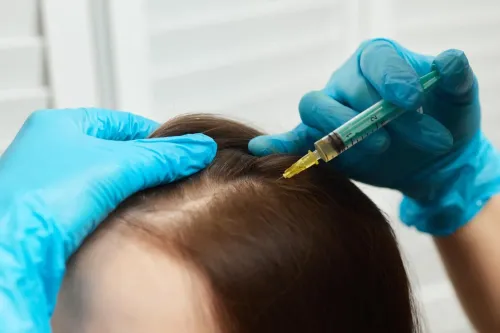
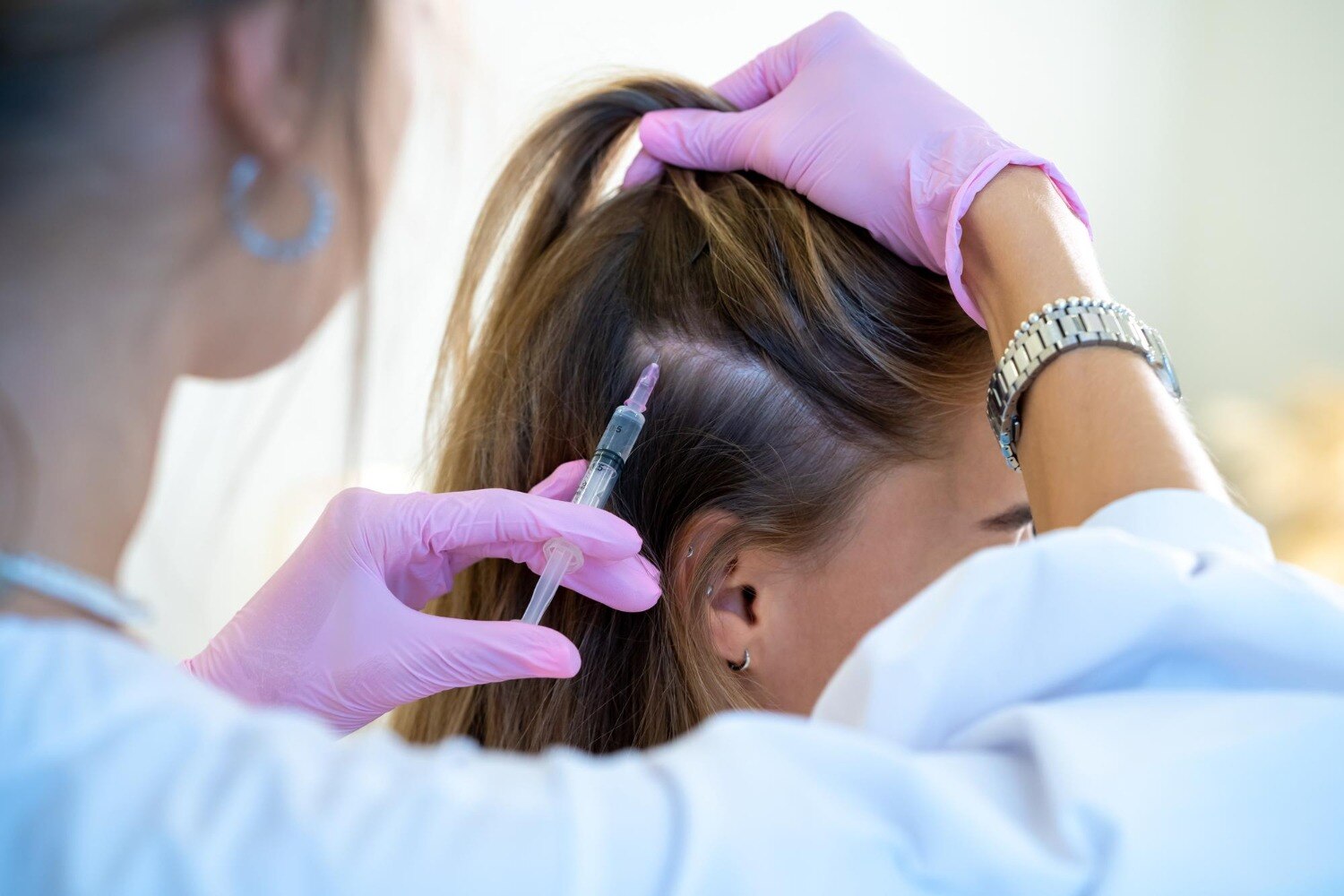
| PRP for androgenetic alopecia | Injection-based adjunct for pattern loss | Trial support exists, but platelet concentration, injection schedules, and outcome measures vary; it is not a guaranteed replacement for medicine |
| GFC hair treatment | Injectable regenerative adjunct | Compare the preparation, number of sessions, evidence, and total cost rather than the label alone |
| Scalp microneedling | Creates controlled scalp injury to support a growth regimen | It requires correct needle depth and sterile technique; it is not suitable for active infection or inflamed scarring disease |
| Low-level light therapy | Modestly increases density for some people with pattern loss | Devices require repeated use, and specifications and schedules differ; evidence is weaker for alopecia areata or scarring alopecia |
| Hair transplantation | Redistributes permanent donor follicles to thinning areas | It does not stop continuing native-hair loss and needs adequate donor supply plus a controlled diagnosis |
| Hair fibres or wigs | Conceal visible thinning immediately | They improve appearance, not follicle activity; fibres suit remaining hair, while wigs cover larger areas |
| Monitoring | Measures change without immediate treatment | Fits mild, stable loss or temporary shedding after a clinician confirms no urgent cause |
Ask what outcome you are buying: disease control, new growth, restored coverage, or camouflage. If pain, burning, pustules, scale, or shiny skin without follicle openings is present, seek prompt dermatology review; cosmetic procedures must not delay treatment for scarring alopecia.
Check safety, treatment burden, and warning signs before starting
A safe choice balances expected benefit against monitoring, daily effort, cost, and the risk of delaying the correct diagnosis. Systemic medicines require individualized prescribing, not self-treatment.
1. Ask how long treatment must continue. Topical minoxidil usually needs consistent daily use; early shedding can occur, while stopping commonly loses the benefit over subsequent months. Low-level light therapy also requires repeated sessions, and procedures or transplantation involve appointments, recovery, and patience before visible change.
2. Review safety before taking a tablet. For adult men, finasteride 1 mg daily may be considered after discussing sexual adverse effects, mood symptoms, and fertility concerns. Pregnancy and finasteride are incompatible because exposure can harm a male fetus; spironolactone also requires pregnancy precautions.
Ask who will monitor your treatment and what happens if symptoms develop.
3. Treat oral minoxidil as a prescription medicine, not a stronger version of topical treatment. Oral minoxidil side effects include unwanted facial or body hair, ankle swelling, dizziness, and a fast heartbeat; ask about blood pressure, pulse, heart or kidney conditions, dose, and follow-up.
4. Seek prompt assessment for scalp pain, burning, crusting, pustules, marked redness, or shiny skin with missing follicle openings. These signs can indicate scarring alopecia, where delayed treatment may mean permanent follicle loss. Pain, headache, broken hairs, or thinning along a tight hairstyle’s edges also mean you should stop the tension.
At SKIN ASTETICS CLINIC, bring your medicine list, pregnancy plans, styling history, and photographs showing when the change began so the consultation can address both treatment safety and diagnosis.
Related services
Hair Loss Treatment Advanced Solutions for Hair Regrowth and Scalp Health Hair loss can be emotionally distressing and impact your self-confidence. View service → |
GFC & PRP GFC and PRP Treatments at Skin Astetics Clinic Unlock the power of your body’s natural healing with advanced GFC (Growth Factor Concentrate) and PRP... View service → |
Frequently asked questions
How can the pattern of hair loss suggest its cause?
Gradual thinning at the temples, hairline, or crown suggests follicle miniaturisation, while sudden shedding or sharply defined patches points to other causes.
Which examinations and tests help diagnose hair loss?
A dermatologist examines the scalp and hair pattern, then orders targeted tests when the history or examination suggests conditions such as iron deficiency, thyroid disease, or inflammation.
What is the first-line treatment for hair loss?
Treatment depends on the diagnosis: medicines address some forms of miniaturisation, while other causes require treating inflammation, infection, nutritional deficiency, or an underlying illness.
How do medicines, procedures, transplantation, and camouflage differ?
Medicines aim to slow loss or support regrowth, procedures target selected follicles or scalp conditions, transplantation redistributes existing follicles, and camouflage improves appearance without treating the cause.