A first dermatology appointment can feel straightforward until you realise how many questions you have about your skin. Should you stop your current products? Will the doctor need to know which creams you have already tried? Does acne require tests? Can pigmentation and acne be treated together?
Knowing what typically happens at a skin clinic can make the consultation more productive.
For residents of Vijayanagar, Bengaluru, Skin Astetics Clinic provides dermatology and aesthetic skin care for concerns including acne, pigmentation, scars, ageing-related changes, and other skin conditions.
Your Skin History Comes First
A useful consultation involves more than looking at the visible concern.
The dermatologist may ask when symptoms started, how they have changed, which products or medicines have been used, and whether particular triggers make them worse.
For acne, relevant information may include:
- When breakouts started
- Areas where acne commonly appears
- Menstrual or hormonal changes when applicable
- Current skincare products
- Previous acne medicines
- Family history
- Scarring
- Lifestyle factors that may influence symptoms
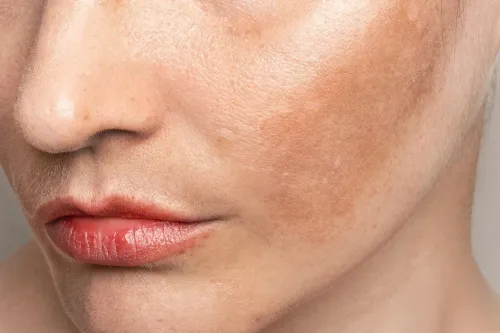
Pigmentation concerns require similarly careful assessment because different conditions can look alike.
Bring Your Current Skincare Information
Patients often use several products simultaneously, including cleansers, serums, sunscreens, exfoliants, acne creams, moisturisers, and cosmetics.
Knowing the product names can help the dermatologist identify ingredients that may be useful, unnecessary, or irritating.
If you have previously received prescriptions for the same condition, bringing those details can also prevent unnecessary repetition.
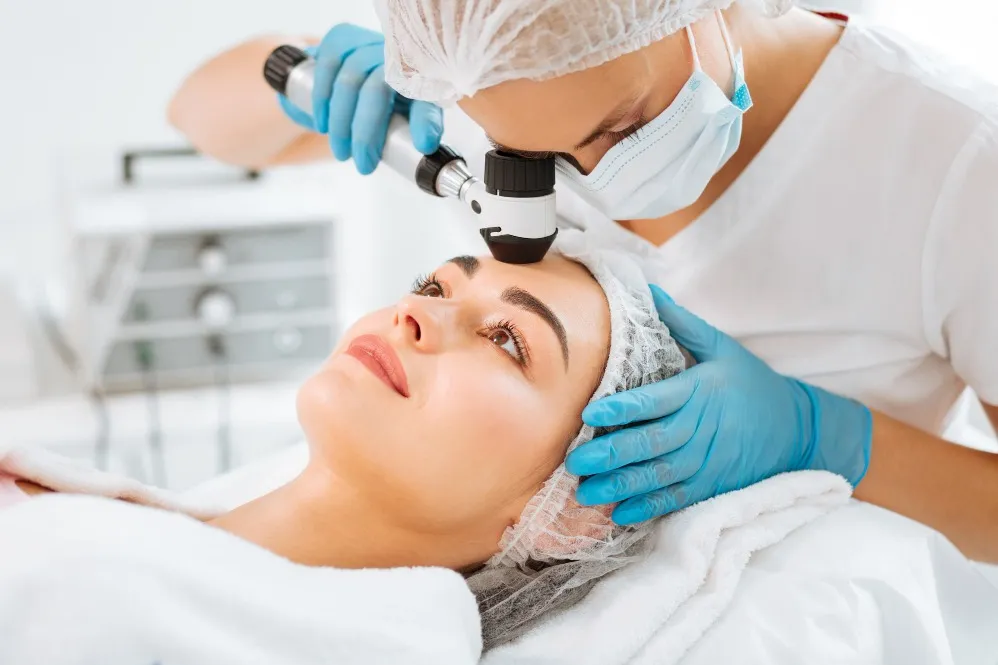
Expect a Physical Skin Examination
The appearance, distribution, texture, and pattern of a skin concern can provide valuable diagnostic information.
For example, inflammatory acne needs a different approach from predominantly comedonal acne. Similarly, melasma requires different management from pigmentation left behind after pimples.
Hair and scalp concerns may require assessment of hair density, shedding patterns, scalp condition, and follicular changes.
Ask About the Treatment Timeline
Dermatological conditions rarely change overnight.
Ask how the recommended treatment works, how frequently it should be used, what side effects should be monitored, and approximately when progress will be reviewed.
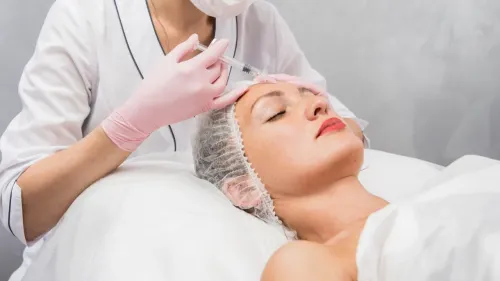
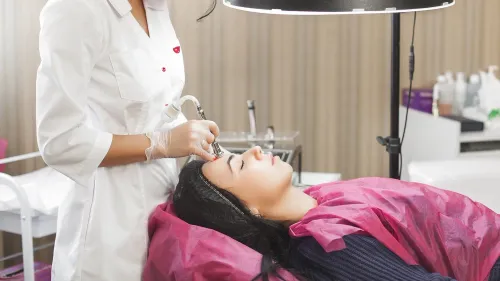
These questions are particularly useful when treatment involves prescription medicines, chemical peels, lasers, PRP, or other procedures.
Avoid Expecting One Treatment for Everything
Aesthetic and medical skin concerns often overlap, but that does not mean they require identical treatment.
Someone may have active acne alongside acne scars. Treating scars while significant active acne continues may not always be the first priority. Similarly, treating pigmentation without addressing its trigger can lead to repeated recurrence.
A structured treatment sequence can therefore matter as much as the treatment itself.
Visiting a skin clinic is most useful when the goal is accurate assessment rather than simply obtaining a particular procedure. For people in Vijayanagar experiencing persistent acne, pigmentation, hair fall, scalp problems, or other dermatological concerns, a consultation can clarify what is happening and which treatment options are appropriate.
Keywords