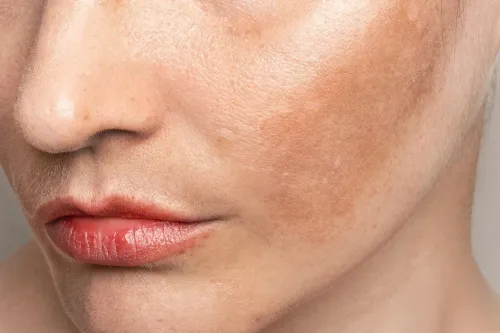

Vitiligo is a condition in which areas of skin lose their natural pigment, resulting in lighter or white patches. Although it is not contagious, the visible changes can cause concern, particularly when patches develop on the face, hands, arms, or other noticeable areas.
For individuals in Rajajinagar, Bengaluru, learning how Vitiligo Treatment works can make it easier to seek appropriate dermatological guidance without relying on myths surrounding the condition.
What Happens in Vitiligo
Skin colour is produced by cells called melanocytes. In vitiligo, these pigment-producing cells are affected, resulting in areas where pigmentation is reduced or absent.
The condition can develop at different ages and may progress differently from one person to another. Some people experience a limited number of stable patches, while others notice new areas appearing over time.
Vitiligo Is Not an Infection
One of the most important facts about vitiligo is that it cannot spread from one person to another through touching, sharing food, clothing, or everyday contact.
Misconceptions about vitiligo can sometimes cause unnecessary social anxiety. Understanding that it is a medical skin condition rather than an infectious disease is an important part of reducing stigma.
Why Dermatological Assessment Matters
Not every light-coloured patch is vitiligo.
Certain fungal infections, post-inflammatory changes, birthmarks, and other pigmentation conditions can create lighter areas on the skin. A dermatologist evaluates the appearance, distribution, medical history, and progression of the patches before recommending treatment.
In selected cases, additional investigations may be advised.
How Vitiligo Treatment Is Planned
Vitiligo Treatment depends on several factors, including:
- Age of the patient
- Location of the patches
- Extent of pigmentation loss
- Whether the condition is stable
- Speed of progression
- Previous treatment response
- Overall health considerations
Treatment may include prescribed topical medicines, light-based therapy, and other dermatologist-directed approaches depending on individual suitability.
The objective may include controlling progression and encouraging repigmentation where possible. Response can vary considerably between individuals, so realistic expectations are important.
Early Evaluation Can Be Helpful
When new white patches appear, waiting for them to become extensive before seeking advice is not always helpful.
Early dermatological evaluation can confirm whether the condition is actually vitiligo and determine whether treatment is appropriate. It also gives patients an opportunity to understand skin protection and monitoring.
Sun protection is particularly important because areas without normal pigmentation have reduced natural protection from ultraviolet exposure.
Looking Beyond Visible Patches
Living with a visible skin condition can also affect confidence and social comfort. Good dermatology care should therefore include clear explanations and realistic discussions rather than focusing only on appearance.
At Skin Astetics Clinic, assessment of pigmentation concerns is based on the patient's skin findings and individual history. The aim is to distinguish vitiligo from other causes of lighter patches before planning management.
Vitiligo does not have one identical treatment pathway for everyone. Accurate diagnosis, timely assessment, consistent follow-up, and realistic expectations are central to responsible long-term management.
Keywords