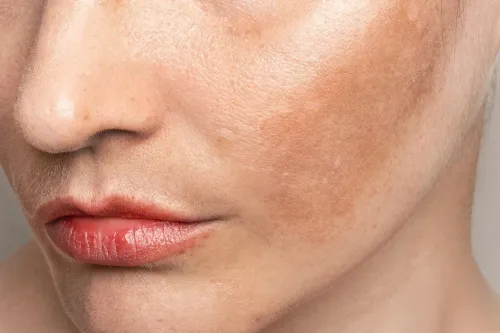
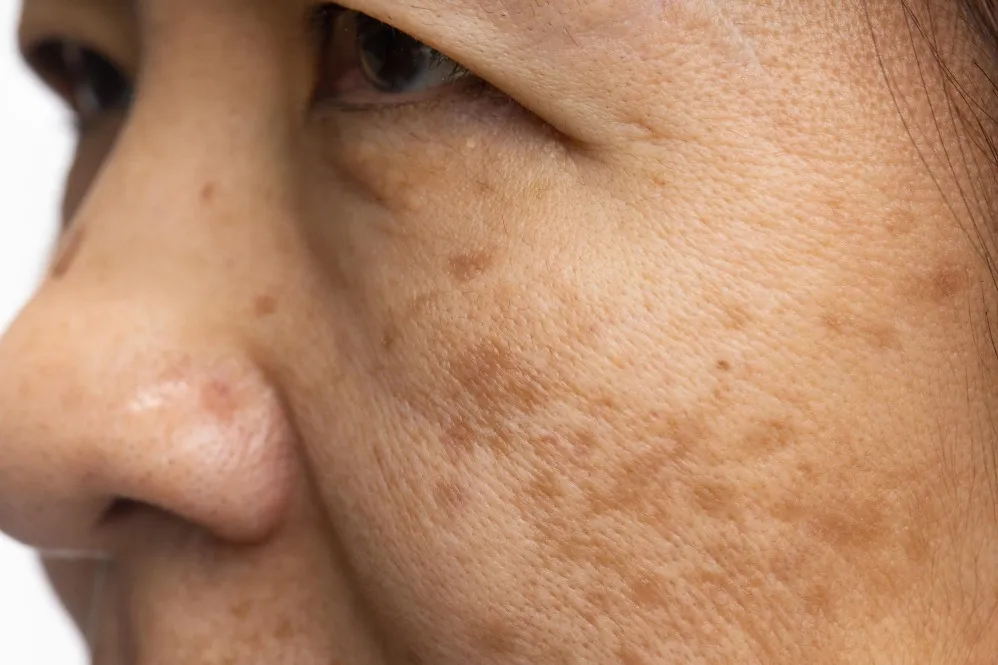
Melasma often appears as brown or grey-brown patches on the cheeks, forehead, nose, upper lip, and other sun-exposed areas of the face. Although it is harmless, the uneven pigmentation can become persistent and may affect how comfortable someone feels about their skin.
For people in Basaveshwaranagar, Bengaluru, understanding the causes of melasma is an important first step before choosing any treatment. Melasma is not simply a surface-level skin concern. Sun exposure, hormonal influences, genetics, skin type, and certain medications can all contribute to its development.
Skin Astetics Clinic evaluates pigmentation patterns and contributing factors before recommending a suitable approach to melasma management.
Why Does Melasma Keep Coming Back?
One of the biggest challenges with melasma is recurrence. Even when pigmentation becomes lighter, continued ultraviolet exposure and visible light may stimulate pigment-producing cells again.
Common contributing factors include:
- Frequent sun exposure without adequate protection
- Hormonal changes during pregnancy
- Hormonal medicines in some individuals
- Genetic tendency toward pigmentation
- Heat and visible light exposure
- Irritating skincare products
- Inflammation caused by unsuitable treatments
This is why simply applying a brightening product may not be enough for persistent cases.
What Can Melasma Treatment Include?
Treatment depends on the depth and pattern of pigmentation, skin sensitivity, previous treatments, and possible triggers.
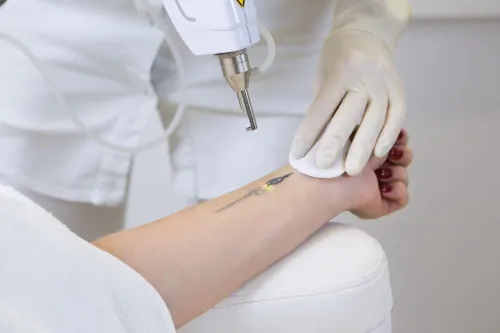
A dermatologist may consider topical medicines that regulate excess pigment production. Depending on individual requirements, treatment may also involve carefully selected chemical peels, laser-based procedures, or other dermatological approaches.
Daily photoprotection remains particularly important. Sunscreen should generally be used consistently rather than only on sunny days because ultraviolet exposure occurs during routine daily activities as well.
Why Skin Assessment Matters
Melasma can resemble other pigmentation conditions. Post-inflammatory hyperpigmentation, sunspots, and certain dermatological disorders may produce similar-looking patches.
An accurate assessment helps identify whether the pigmentation is likely to be melasma and determines which treatments may be appropriate.
People should also be cautious about aggressive home remedies and unprescribed creams. Products containing strong bleaching agents, steroids, or irritating ingredients may temporarily change the appearance of pigmentation but can potentially damage the skin when used incorrectly.
Daily Habits That Support Melasma Management
A few practical habits can support professional treatment:
- Apply broad-spectrum sunscreen regularly.
- Limit unnecessary direct sun exposure.
- Avoid repeatedly rubbing pigmented areas.
- Use gentle cleansers and moisturisers.
- Follow prescribed treatment consistently.
- Avoid frequently switching between active skincare ingredients.
- Discuss hormonal or medication-related triggers with the treating doctor when relevant.
Melasma management usually requires patience. Pigment formation develops gradually, and visible improvement may also take time.
For individuals in Basaveshwaranagar dealing with persistent facial pigmentation, a dermatological evaluation can help determine the type and depth of pigmentation and establish a suitable melasma treatment plan. Consistent skincare, sun protection, and appropriately selected treatment can play complementary roles in managing the condition over time.
Keywords