Hair loss is often treated as a cosmetic issue until scalp visibility becomes obvious. Yet changes in hair density can have many causes, ranging from temporary shedding to progressive pattern hair loss and inflammatory scalp disorders.
Knowing when to move beyond home remedies can help people make more informed treatment decisions.
For adults in Vijayanagar, Bengaluru, Skin Astetics Clinic assesses hair and scalp concerns to identify factors that may be contributing to ongoing hair loss.
Hair Thinning Is Progressively Increasing
A gradual reduction in density at the crown, temples, frontal hairline, or central parting can indicate progressive hair loss.
Early changes may be easier to notice in photographs than in the mirror. Comparing images taken several months apart can sometimes reveal a pattern.
Hair Fall Continues for Months
Temporary shedding can occur after stress, illness, fever, surgery, dietary changes, or other physiological events.
When heavy shedding continues, assessment may help determine whether there is an ongoing trigger or another form of hair loss.
Bald Patches Appear Suddenly
Clearly defined patches of hair loss should not automatically be treated with general hair-growth products.
Different conditions can cause patchy hair loss, and appropriate management depends on the diagnosis.
The Scalp Is Itchy or Inflamed
Hair loss accompanied by redness, scaling, itching, pain, pustules, or other scalp changes deserves attention.
Treating only the hair while ignoring an active scalp condition may leave an important contributing factor unmanaged.
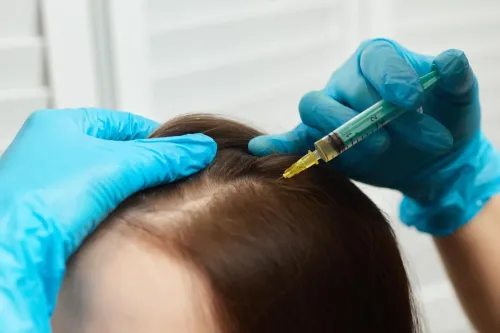
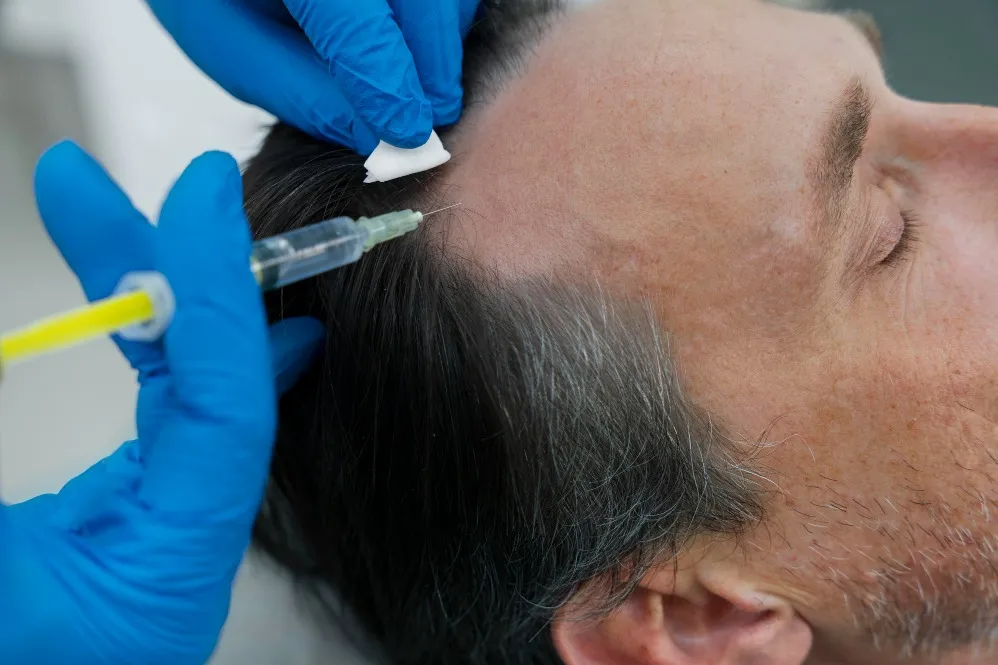
You Are Considering PRP or GFC
Procedures such as PRP and GFC are increasingly sought by people experiencing thinning.
Before beginning, ask whether your type of hair loss is appropriate for the proposed procedure. A procedure should ideally follow diagnosis rather than replace it.
You Have Tried Multiple Products Without Progress
Switching between oils, shampoos, supplements, serums, and online remedies can become expensive without clarifying the cause.
Hair loss treatment may involve prescription therapy, scalp management, correction of identified deficiencies, procedural options, or combinations of approaches depending on clinical findings.
What Should a Hair Assessment Cover?
A useful consultation may examine:
- Pattern and extent of thinning
- Duration of shedding
- Family history
- Scalp condition
- Hair-care practices
- Recent illness and major physiological stress
- Relevant medical history
- Previous treatments
Additional investigations may be considered when the history indicates they are appropriate.
Choosing Treatment With Realistic Expectations
Hair growth is slow, so treatment progress is generally evaluated over time rather than days.
The expected response also depends on whether follicles remain capable of producing hair and what is causing the loss.
For people in Vijayanagar noticing progressive thinning, persistent shedding, or visible scalp changes, beginning hair loss treatment with a dermatological assessment can reduce guesswork. The purpose is to identify the likely cause first and then determine which medical, procedural, scalp-care, or supportive measures are suitable.
Keywords