Hair thinning can develop gradually, making early changes easy to overlook. A widening parting, increased scalp visibility, reduced hair density, and persistent shedding are some of the reasons people begin exploring treatments designed to support hair growth.
Among these options, PRP treatment has become widely discussed in dermatology and hair care. PRP stands for platelet-rich plasma. It is prepared using a small sample of the patient's own blood and is used in selected cases of hair loss.
For individuals in Rajajinagar, Bengaluru, understanding what PRP actually involves can make it easier to decide whether a professional hair assessment is worthwhile.
What Happens During PRP Therapy?
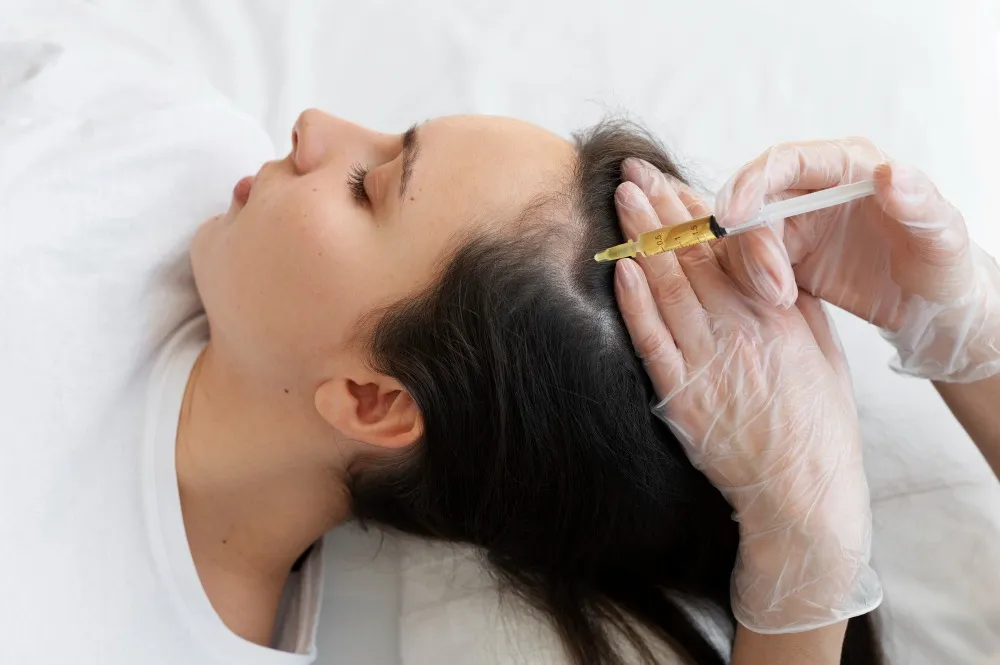
The procedure begins by collecting a small quantity of blood. It is then processed in a centrifuge to separate and concentrate the platelet-rich component.
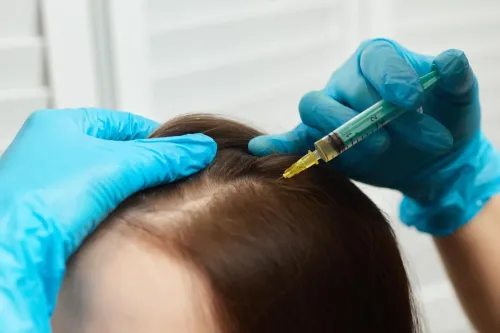
The prepared plasma is administered into selected areas of the scalp.
Platelets contain growth factors involved in normal tissue repair and biological processes. In hair-related applications, PRP is used with the aim of supporting suitable hair follicles and improving the scalp environment in appropriately selected patients.
Who May Be Considered for PRP?
PRP is not automatically suitable for every type of hair loss.
Hair fall may be associated with:
- Androgenetic hair loss
- Nutritional deficiencies
- Thyroid-related conditions
- Significant physical or emotional stress
- Recent illness
- Hormonal changes
- Scalp inflammation
- Dandruff
- Certain medications
- Autoimmune conditions
This is why identifying the cause matters before beginning treatment.
Skin Astetics Clinic assesses the scalp, pattern of thinning, medical history, and other relevant factors before determining whether PRP treatment may have a role in an individual's hair care plan.
How Many Sessions Are Required?
There is no universal number that applies to everyone. The treatment schedule depends on factors such as the pattern and stage of hair loss, response to treatment, and the overall management plan.
Some patients may require an initial series of sessions followed by maintenance treatment when clinically appropriate.
PRP should therefore be viewed as a planned dermatological procedure rather than a one-time solution.
What PRP Cannot Do
Understanding limitations is equally important.
PRP cannot guarantee complete hair regrowth, and results differ among individuals. It is also unlikely to restore hair in areas where follicles are no longer functioning.
That makes early evaluation particularly relevant when progressive thinning is noticed.
Supporting Hair Health Beyond Procedures
Hair treatment often involves more than one intervention. Depending on the cause, a dermatologist may recommend appropriate scalp care, nutritional evaluation, medicines, management of dandruff, or changes to hair-care practices.
Avoiding excessive heat, harsh chemical treatments, tight hairstyles, and aggressive scalp scratching can also help reduce unnecessary damage.
People considering PRP treatment in Rajajinagar should begin with a proper assessment rather than choosing the procedure solely because it is popular. Understanding the underlying cause of hair loss helps determine whether PRP, another treatment, or a combination of approaches is appropriate.
Keywords