
Acne may settle, but the changes it leaves behind can persist for years. Some people are mainly concerned about dark marks, while others notice depressions, uneven texture, or raised scars.
These problems are frequently grouped together as 'acne scars', even though they may require very different management.
For patients in Kamakshipalya, Bengaluru, understanding the distinction is useful before considering an acne scar treatment.
Acne Marks Are Not Always Scars
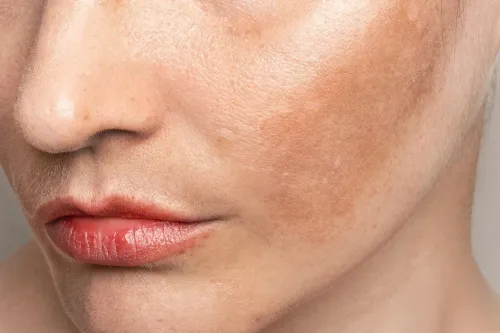
Flat brown, grey, or reddish areas left after acne may represent post-inflammatory pigmentation rather than structural scarring.
True scars involve changes in skin texture.
This distinction matters because a pigmentation-focused treatment cannot necessarily correct a deep depressed scar, while a scar procedure may not be necessary for someone whose main concern is discolouration.
Common Types of Depressed Acne Scars
Atrophic scars are broadly classified according to their shape.
Ice-pick scars are narrow and relatively deep.
Boxcar scars have more defined edges and may vary in depth.
Rolling scars can create an uneven or wave-like appearance due to changes beneath the skin surface.
Many patients have a combination rather than a single scar type.
Raised Scars Need a Different Approach
Some people develop thickened or raised scars following acne, particularly on areas such as the chest, shoulders, or jawline.
These should not be managed in the same way as depressed facial scars.
Comparing Common Acne Scar Procedures
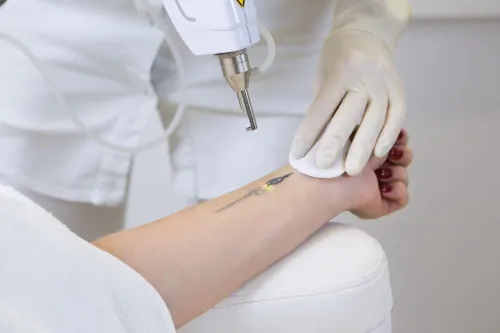
Depending on scar characteristics, dermatological treatment may involve procedures such as microneedling, subcision, chemical reconstruction techniques, resurfacing procedures, laser-based treatment, or combinations of methods.
The choice depends on:
- Scar type
- Scar depth
- Skin type
- Active acne
- Pigmentation tendency
- Previous procedures
- Expected downtime
- Individual treatment goals
Skin Astetics Clinic evaluates these factors before considering an appropriate acne scar management plan.
Active Acne Should Not Be Ignored
One of the most important considerations is whether new acne continues to develop.
If active inflammatory acne is producing new scars, controlling breakouts may need to be incorporated into the treatment plan. Otherwise, treating existing scars while new ones continue to form can become an ongoing cycle.
Ask the Right Questions Before a Procedure
Before undergoing scar treatment, ask:
- Which scar types do I have?
- What is the recommended procedure intended to improve?
- Will multiple treatment methods be needed?
- What downtime should I expect?
- What aftercare is required?
- Is there a risk of post-treatment pigmentation?
- How will progress be assessed?
Acne scar treatment should be selected according to the actual scar pattern rather than the popularity of a particular procedure.
For people in Kamakshipalya with longstanding acne marks or uneven skin texture, a detailed scar assessment can help distinguish pigmentation from structural scarring and determine which treatment strategy is more appropriate.
Keywords