Acne management does not begin and end with applying a spot treatment. Daily habits can influence irritation, clogged pores, inflammation, and the dark marks that often remain after breakouts.
For adults and teenagers in Mahalakshmi Layout, Bengaluru, understanding these everyday factors can make professional acne treatment easier to follow and may reduce avoidable skin irritation.
Cleanse Without Overwashing
Oily skin can create the temptation to wash the face repeatedly.
Excessive cleansing, however, may irritate the skin barrier. A gentle cleanser used appropriately is generally more useful than repeatedly scrubbing the skin.
Harsh scrubs can also aggravate inflamed pimples and should not be treated as a shortcut to clearer skin.
Stop Picking Active Pimples
Squeezing a pimple may seem like a quick solution, but repeated picking can increase inflammation and skin injury.
This can contribute to:
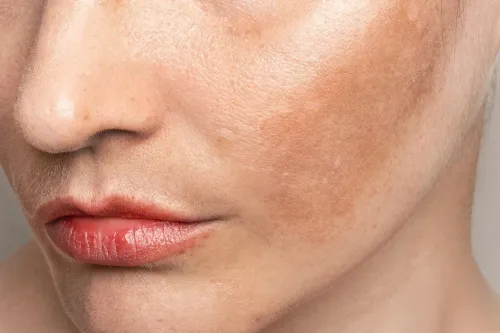
- Post-acne dark marks
- Prolonged redness
- Infection
- Deeper inflammation
- Acne scarring
Keeping hands away from active lesions is one of the simplest acne-care habits.
Choose Products Carefully
Using multiple active ingredients at once does not necessarily produce faster improvement.
Strong exfoliating acids, retinoids, acne medicines, scrubs, and brightening products can cause significant irritation when combined incorrectly.
A skincare routine should ideally be built around the person's acne type and skin tolerance.
Use Sunscreen Consistently
Sunscreen does not directly treat the underlying cause of acne, but it plays an important supporting role.
Sun exposure can make post-acne pigmentation appear more noticeable. Appropriate sunscreen can therefore be useful when acne treatment also involves managing dark marks.
Understand That Acne Has Different Forms
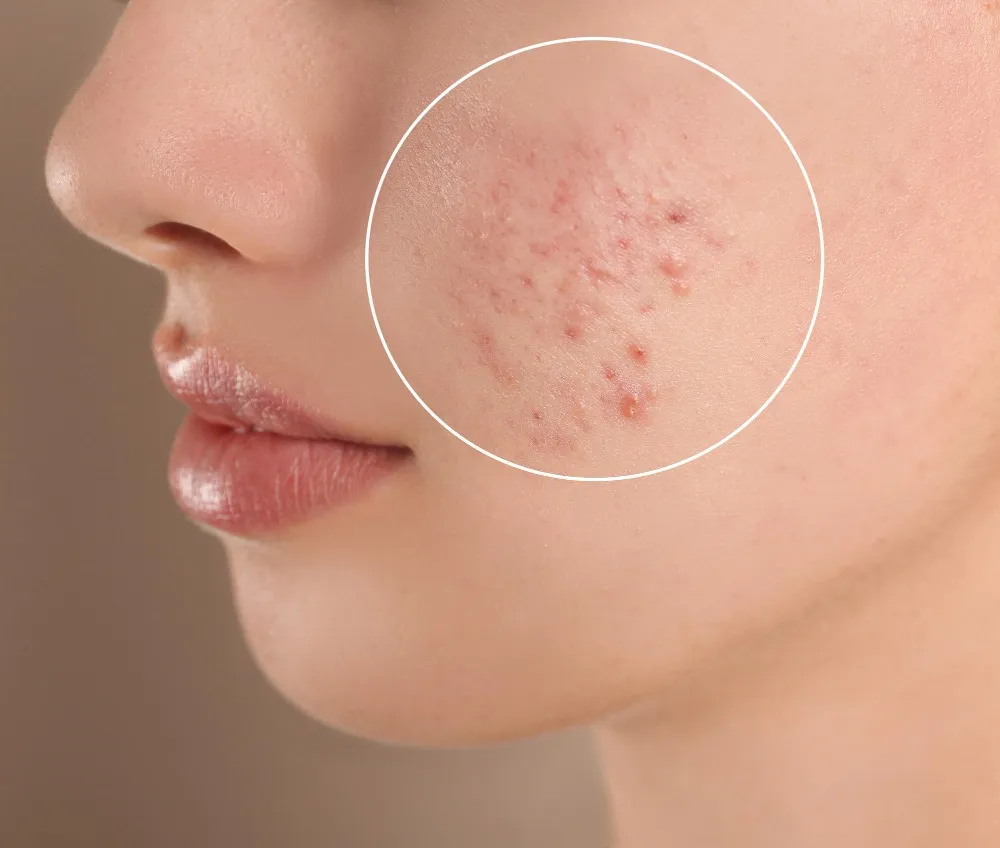
Blackheads, whiteheads, inflamed papules, pustules, nodules, and cystic lesions are not identical.
The treatment required for mild comedonal acne may differ significantly from treatment for painful inflammatory or nodulocystic acne.
Skin Astetics Clinic assesses the pattern and severity of acne before suggesting an individual management plan.
When Should Acne Be Evaluated?
Consider a dermatological assessment when:
- Acne is painful or deep
- Breakouts repeatedly leave scars
- Over-the-counter products have not helped
- Acne suddenly becomes severe
- Pigmentation remains after most breakouts
- Acne affects the chest or back extensively
- Breakouts are accompanied by possible hormonal symptoms
Early management may be particularly useful when scarring has started.
Consistency Matters More Than Constant Experimentation
Changing skincare products every few days makes it difficult to understand what is helping and what is causing irritation.
Many acne treatments require regular use over a period of time before their effect can be properly assessed.
People in Mahalakshmi Layout looking for acne treatment should therefore focus on understanding their acne type, following a suitable routine, and avoiding aggressive self-treatment. When acne persists, becomes painful, or begins causing scars, professional evaluation can help establish a more structured approach to managing both active breakouts and their after-effects.
Keywords